



Sports Tape
What Is Sports Tape
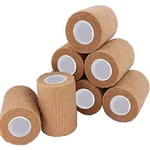
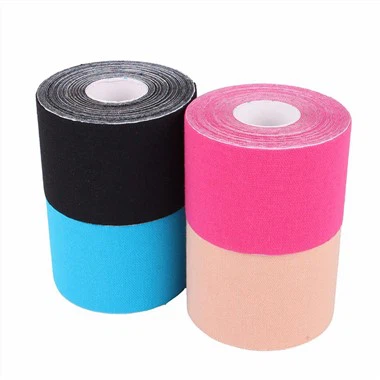
Sports tape is a specialized tape used in sports and fitness activities to provide support, stability, and protection to joints and muscles. It is usually made of a durable, elastic material that adheres to the skin, and it is easy to apply and remove. Sports tape is commonly used by athletes to prevent injuries or to support an injury that has already occurred. It can be used to wrap around joints like wrists, ankles, and knees, to reduce pain, inflammation, and swelling. Sports tape can also be used to secure bandages and splints, to improve grip and hold pads in place, or to help prevent blisters and abrasions.
Advantages of Sports Tape
Provides support
Sports tape is often used to provide additional support for areas such as ankles, knees, wrists, and shoulders. It can also be used to help alleviate pain and swelling associated with injuries. By providing support and stabilization, sports tape can help athletes stay active and perform at their best without risking further injury.
Reduces pain
The tape can help to stabilize the joint or muscle, which reduces the amount of movement and stress on the affected area. This can help to reduce pain, as the joint or muscle is not being strained. Sports tape can also help to alleviate fatigue by providing support to muscles, allowing them to work more efficiently and reducing the risk of injury.
Prevents injuries
Sports tape can help to prevent injuries by stabilizing vulnerable areas, such as ankles, wrists, and knees. Sports tape can improve posture by providing support to the back, shoulders, and neck. This support can help to prevent slouching and promote good posture habits, which can have positive effects on overall health and well-being.
Easy to apply
Sports tape is easy to apply and can be done by anyone with basic knowledge of taping techniques. There are also numerous online tutorials and guides available to help athletes apply sports tape correctly.
Versatile
Sports tape can be used on different parts of the body and for various purposes, such as to provide support, reduce pain, or prevent injuries. It can also be used in different sports, such as football, basketball, or running.
Cost-effective
Sports tape is an affordable option for athletes who cannot afford expensive braces or support equipment. It is also readily available at most sporting goods stores and online retailers.




High quality
Our products are manufactured or executed to a very high standard, using the finest materials and manufacturing processes.
Professional team
Our professional team collaborates and communicates effectively with each other, and is dedicated to delivering high quality results. We are capable of handling complex challenges and projects that require our specialized expertise and experience.
Customized services
Our team of experts will work closely with you to understand your needs and will provide solutions that are tailored to meet your expectations.
Quality control
We have built a professional quality control team to accurately inspect every raw material and every production process.
One-stop solution
At our manufacturing facilities, we provide a complete package that includes everything required to get you started, including training, installation and support.
24H online service
We try and respond to all concerns within 24 hours and our teams are always at your disposal in case of any emergencies.
Woven silk tape
This is the most common type of silk tape. It is made by weaving silk fibers together to form a strong, durable tape. It is often used in medical applications, such as bandaging wounds or securing intravenous lines.
Adhesive silk tape
Adhesive silk tape has a sticky backing that allows it to be easily applied to the skin. It is often used in first aid kits for general wound care or for securing dressings.
Silk sthletic tape
Thletic tape made from silk is designed for use in sports and other physical activities. It is often used to provide support for injured joints or muscles, or to prevent injuries by providing additional support to healthy joints.
Surgical silk tape
Surgical silk tape is designed specifically for use during surgery. It is sterile and hypoallergenic, and is used to close incisions or secure other medical instruments during the surgical procedure.

Material of Sports Tape
Sports tape is typically made of cotton, nylon, or a combination of both materials. The adhesive used in sports tape may be made of natural or synthetic rubber. Some sports tapes are also coated with a zinc oxide adhesive, which is designed to provide extra grip and support. Elastic sports tape, such as kinesiology tape, is made of specially designed elastic fibers that can stretch and move with the body.
Application of Sports Tape


Preventing ankle roll
Wearing ankle braces or high-top shoes can also help to stabilize the ankle and prevent rolling. Strengthening exercises for the ankle and surrounding muscles can also improve stability and reduce the risk of injury. It is important to wear proper footwear for the specific sport or activity being performed and to gradually increase intensity and duration of activity to prevent overuse injuries.
Reducing swelling
This compression helps to limit the amount of fluid that can accumulate in the area, which in turn reduces swelling. The tape also helps to stabilize the injured area, preventing further damage and providing support during movement. This can help to speed up the healing process by reducing inflammation and promoting circulation to the area. In addition, sports tape can help to prevent the development of bruising by limiting the spread of blood that can occur after an injury.
Supporting weak joints
It works by providing compression to the joint, which can help to reduce swelling and inflammation. The tape also provides a barrier to protect the joint from further injury. This added support and stability can allow an individual to participate in physical activities with reduced pain and risk of re-injury. Additionally, sports tape can help to improve proprioception, which is an individual's awareness of their body position and movement.
Improving posture
Sports tape can be applied to the upper back or shoulders to improve posture and reduce strain on the neck and shoulders.It can also be used on the ankles, wrists, and knees to provide extra support and stability during sports activities. The tape is designed to provide compression and support to the muscles and joints, which can help to prevent injury and reduce pain and inflammation.
Protecting fingers and toes
Make sure the tape is not too tight that it restricts blood flow or movement, but tight enough to provide adequate protection. You can also use pre-cut finger or toe sleeves that are made with sports tape to save time and ensure even coverage.
Raw material procurement
The first step is to procure high-quality raw materials like cotton, rayon, and synthetic fibers from trusted suppliers.
Weaving
The weaving process typically involves interlacing the individual strands or fibers of the raw material over and under each other using a loom. This creates a strong and durable fabric that can withstand the stresses and strains of athletic activity.
Adhesive coating
The adhesive is carefully selected to match the properties of the fabric and the intended use of the tape. The strength and durability of the adhesive can vary depending on factors such as temperature, humidity, and chemical exposure.
Drying
The temperature and duration of the drying process depend on factors such as the type of adhesive used and the thickness of the tape. The objective is to remove all the solvents or water used in the coating process and ensure that the adhesive properties are fully developed. After drying, the tape is wound onto rolls and packaged for shipping.
Cutting and packaging
The next step is to package the cut tapes. Packaging options can vary based on the manufacturer, but common options include rolls, spools, and sheets. The packaged tape is then labelled with product information, such as brand name, product dimensions, and any other important details.
Quality control
This involves testing the tape's adhesive strength, thickness, and durability. Samples may also be tested for chemical properties, such as resistance to moisture and heat. The dimensions and packaging are also checked to ensure that they meet the required specifications.
How to Use Sports Tape
Clean the area
Before applying sports tape, make sure the area you will be taping is clean and dry. This will ensure that the tape sticks properly.ry the area completely with a clean towel before applying the tape.
Measure the tape
Lay the tape flat and use a ruler or tape measure to determine the length needed. Once you have the desired length, use scissors or a utility knife to cut the tape. It's always better to cut a slightly longer piece of tape than needed, as it can be trimmed down later if necessary.
Apply anchor strip
Apply the anchor strip first. This is where the tape will be secured, typically above or below the affected joint. For instance, if you're taping your knee, the anchor strip should go above and below your kneecap.
Apply the tape
Apply the tape over the area you want to support, ensuring that you apply it with enough tension to provide support but not so much that it restricts movement or blood flow.Smooth out any wrinkles or bubbles in the tape as you apply it, making sure that it adheres firmly to the skin.
Finish with an anchor strip
Once you're done applying the tape, finish with another anchor strip on top of the tape to hold it in place.Make sure to press down firmly on this last strip to ensure a strong seal. The anchor strip will not only keep the tape securely in place, but it will also provide an additional layer of protection against any potential leaks or damages.

What Should I Consider When Choosing Sports Tape
The type of injury or support needed
Different types of tapes are designed to meet specific needs and serve different purposes. It is important to choose the right type of tape for the desired effect, and to use it properly in order to achieve the best results.
The level of activity
Low-intensity tapes are typically used for everyday activities or for minor injuries, such as muscle strains or sprains. High-intensity tapes, on the other hand, are designed for intense physical activities, such as sports or intense workouts, and offer more support and protection.
Material quality
Look for tapes that are made of high-quality materials that are durable and long-lasting. Ensure that it is safe for your skin and does not cause rashes or allergic reactions.
Ease of use
The tape should also tear off cleanly and evenly without leaving behind any residue or tearing the surface it is applied to. Opt for a tape that is user-friendly and can be easily manipulated, even by someone with limited dexterity or hand strength.
Size and shape
Tape size and shape vary based on the part of the body being supported. Ensure that the tape is appropriate for the body part, and the size fits comfortably.
How to Maintain Sports Tape
Store in a dry and cool place
After use, make sure to keep the sports tape in a dry and cool place to prevent moisture or heat from damaging it.Keeping sports tape in a dry and cool place can prolong its shelf life and ensure that it continues to provide reliable support and compression for your athletic needs.
Avoid direct sunlight
Do not expose sports tape to direct sunlight as it can damage the adhesive and decrease its stickiness.Avoid storing it in humid areas. A cupboard or drawer in a dry room is a good option for storage.
Clean skin before applying
Before applying sports tape, make sure that the skin is clean and dry. Dirt and oil can reduce the effectiveness of the tape's adhesive and cause it to fall off.
Replace regularly
Sports tape should be replaced regularly, depending on the activity and the amount of sweat. Worn-out and dirty tape can cause skin irritation, so it is important to replace it as needed.
Be careful when removing
When removing sports tape, be gentle and do not rip it off forcefully, as it can cause skin damage. Slowly peel back the tape at a 45-degree angle while holding the skin tight to avoid discomfort.

Is Sports Tape Waterproof?
Water-resistant tapes are typically able to withstand light exposure to water, sweat, and humidity, but they may not be effective in completely protecting the affected area during prolonged exposure to water or intense activities like swimming or water sports. On the other hand, waterproof tapes are designed to provide a tight seal against water and are better suited for activities that involve heavy water exposure or immersion. Overall, it is crucial to select the appropriate tape based on the intended use and level of water exposure.
Can Sports Tape Prevent Injuries?
Taping an ankle can help prevent sprains by limiting excessive movement and providing extra support to the joint. Additionally, sports tape can help prevent blisters and friction injuries by providing a protective barrier between the skin and equipment or clothing. However, it is important to note that sports tape should not be relied on as the sole measure to prevent injuries and should be used in conjunction with proper warm-up and stretching, appropriate footwear, and other injury prevention measures.It is also important to apply the tape correctly and to check regularly for any signs of irritation or discomfort. If any discomfort or pain is experienced, the tape should be removed immediately. Consultation with a healthcare professional may also be necessary if an ankle sprain occurs or if there are any persistent issues with ankle or foot pain.
Our factory
Our annual production capacity for main products are 1.5 billion of adhesive bandages, 10 million square meters of surgical tapes, 70 million of bandage products. We are aiming at supplying high quality products throughout the world. The goods are exported to US, Europe, Middle East, Africa and more than 60 countries.With more than 20, 000 square meters of workshop, including GMP standard clean room at 100,000 levels and EO sterilizer, Hangzhou Yoniner has passed ISO 13485 quality system certification and CE certification of TUV Rheinland, FDA registration and as well as BSCI audit.


FAQ
Q: What is sports tape used for?
Q: What are the different types of sports tape?
Q: Can ankle tape prevent ankle sprains?
Q: What is kinesiology tape?
Q: What is cohesive sports tape?
Q: How do you apply sports tape?
Q: Is sports tape waterproof?
Q: Can sports tape prevent injuries?
Q: How long can you wear sports tape?
Q: Can anyone use sports tape?
Q: What are the benefits of using sports tape knee?
Q: How is sports tape knee used?
Q: How long can sports tape knee be worn?
Q: Can sports tape knee be used for all types of knee pain?
Q: Is sports tape knee reusable?
Q: Is sports tape knee waterproof?
Q: Can sports tape knee be used during swimming or water sports?
Q: Can sports tape knee be used by people with sensitive skin?
Q: Can sports tape knee be used as a long-term solution for knee pain?
Q: How is ankle tape applied?