



Band Aids
What are Band Aids
Band-Aids are adhesive strips used to cover and protect small cuts, wounds, or injuries on the skin. They usually come in various sizes and shapes and are made from thin fabric or plastic with an absorbent pad in the center that goes over the wound. Band-Aids are a popular first-aid item that can be found in almost every household, workplace, or medical kit.
Advantages of Band Aids
Promotes healing
It also helps to minimize scarring by preventing scabs from forming and reducing the risk of bacteria entering the wound. By covering the wound with a band aid, it creates a barrier that allows the body to focus on healing the injury rather than fighting off potential infections.
Prevents dirt and bacteria from entering the wound
It also helps keep the wound clean and dry, which promotes faster healing. Additionally, the adhesive on the band aid keeps the wound closed and protected, which reduces the risk of further injury or damage. Using a band aid can also provide some relief from pain or discomfort associated with the wound.
Easy to use
BSimply remove the adhesive backing and place the pad over the wound or cut. Press down gently to ensure the band aid sticks in place. For larger cuts or wounds, multiple band aids may be needed. It's important to change the band aid regularly to prevent infection and promote healing. When removing the band aid, gently lift one corner and slowly peel it off to avoid further pain or damage to the wound.
Comfortable
Some comfortable band-aids also feature a cushioned pad, which provides extra comfort and protection for the wound. These band-aids are designed to be flexible, allowing them to move with your body without causing discomfort or irritation. Additionally, they are made with a strong adhesive that ensures they stay in place, even when you're active. Comfortable band-aids are a great option for anyone who wants to protect their wound without sacrificing comfort or causing skin irritation.




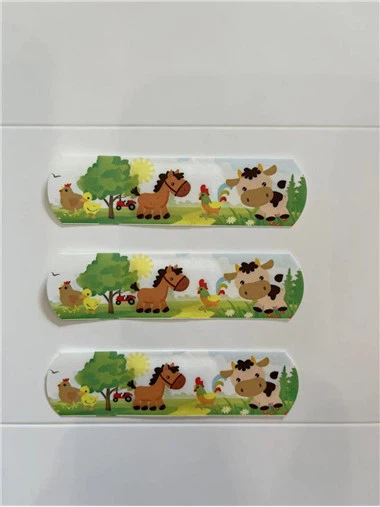

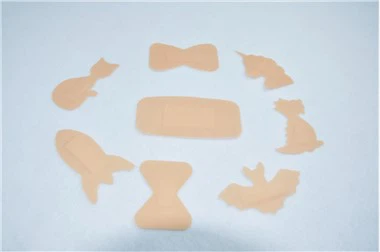
Why Choose Us
High quality
Our products are manufactured or executed to a very high standard, using the finest materials and manufacturing processes.
Professional team
Our professional team collaborates and communicates effectively with each other, and is dedicated to delivering high quality results. We are capable of handling complex challenges and projects that require our specialized expertise and experience.
Customized services
Our team of experts will work closely with you to understand your needs and will provide solutions that are tailored to meet your expectations.
Quality control
We have built a professional quality control team to accurately inspect every raw material and every production process.
One-stop solution
At our manufacturing facilities, we provide a complete package that includes everything required to get you started, including training, installation and support.
24H online service
We try and respond to all concerns within 24 hours and our teams are always at your disposal in case of any emergencies.
Types of Band Aids
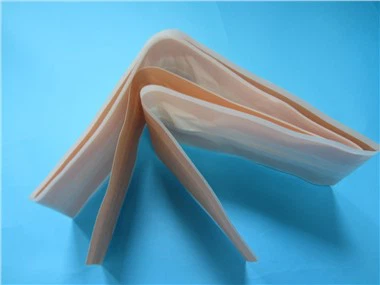
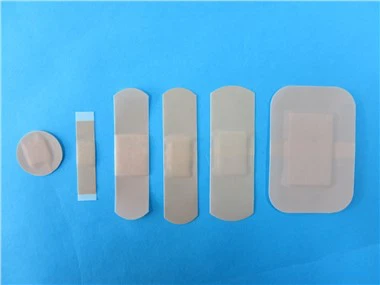
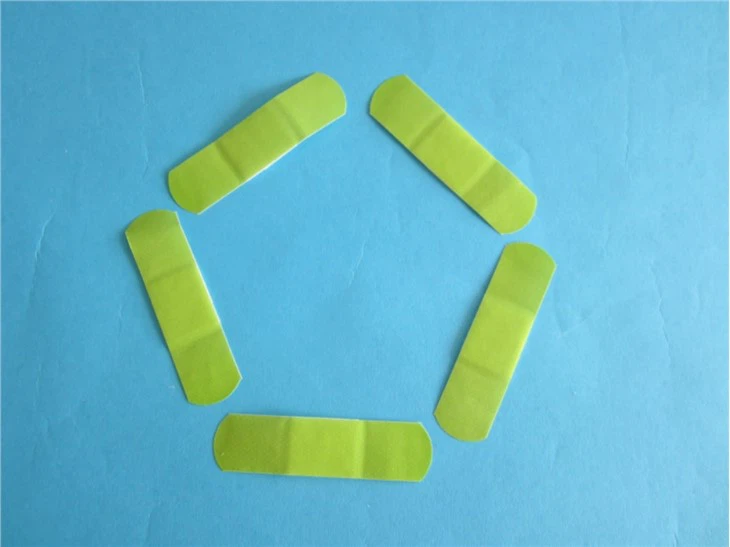
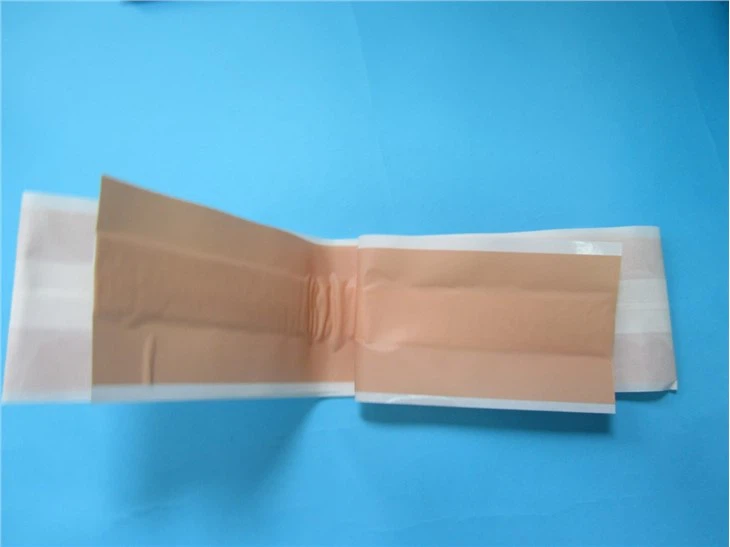
Standard band aid
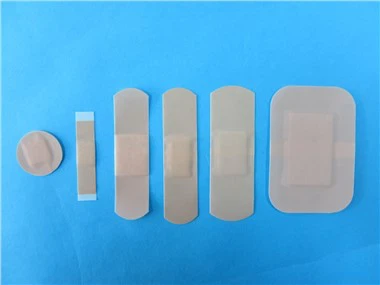
They typically consist of an adhesive strip with a small, absorbent pad in the center to cover the wound. They come in various sizes to fit different wound types and locations on the body. Some standard band aids are also waterproof and transparent, making them ideal for areas that may get wet or need to be hidden. These band aids are affordable and readily available at most drug stores and supermarkets, making them a convenient option for everyday use.
Waterproof band aid
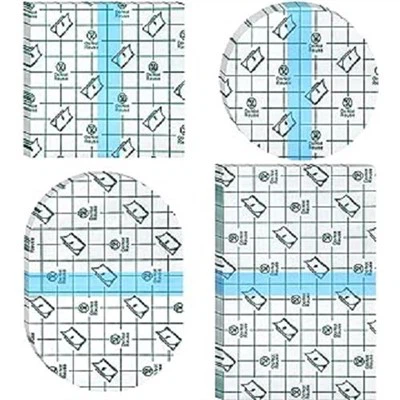
Waterproof band aids are typically made with a special adhesive that is able to withstand moisture. The adhesive is typically made of a synthetic material, such as acrylic or silicone, which doesn't break down easily when exposed to water.
Fabric band aid
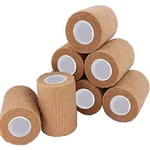
Fabric band aids are more breathable and less likely to cause skin irritation. They are also durable and can withstand exposure to water and sweat. Fabric band aids come in a variety of shapes and sizes, making them versatile for different types of wounds. They are an essential item in any first aid kit or medicine cabinet.
Square band aid
They are also helpful in providing additional coverage for those wounds that may need a little extra attention. The square shape ensures that the band aid will cover all areas of the wound, without leaving any exposed spots. These band aids are great for home first aid kits, medical environments, or outdoor activities where injuries and wounds may occur. They are easy to apply and remove and are available in a variety of sizes, so you can find the perfect fit for your needs.
Butterfly band aid
These band aids are ideal for cuts that require stitches or for wounds that have already been stitched but need extra support. The butterfly shape helps to keep the wound edges aligned, promoting faster healing and minimizing scarring. The adhesive wings are gentle on the skin and provide a secure hold even in areas that are prone to movement. Butterfly band aids are a must-have in any first aid kit and should be used under the guidance of a medical professional for optimal healing.
Blister band aid
They also help to keep the blister clean and free from dirt and bacteria while it heals. The band aid material is gentle on the skin and is designed to adhere securely without causing further discomfort. Some blister band aids also contain medication to help promote healing and reduce pain. They come in various sizes to fit different blister sizes and can be easily applied and removed. It is important to change the band aid regularly and keep the blister clean and dry to prevent infection.
Liquid band aid
The liquid band aid contains a polymer that creates a film over the wound and seals it from dirt, dust, and water. This film is transparent, allowing you to monitor the healing process without having to remove the bandage. Liquid band aids are also a great option for areas that are difficult to apply a traditional band aid, such as in between fingers or toes.

Adhesive
A medical-grade adhesive is used to stick the Band Aid to the skin. It is usually made of a type of synthetic rubber like Styrene-Isoprene-Styrene block copolymers (SIS).
Non-woven fabric
Non-woven fabrics are made by bonding fibers together using heat, pressure, or adhesive. They are soft and porous, allowing for airflow and absorption of fluids. They are also hypoallergenic and non-irritating to the skin, making them ideal for use in medical applications such as wound dressings, surgical gowns, and masks.
Pad
Pads can also be impregnated with medication to help promote healing, such as with silver or antiseptic agents. Some pads may include adhesive edges or straps to keep the pad securely in place over the wound. Pads are an essential component of basic first aid and are often utilized in medical and surgical settings. They serve to protect the wound from further injury and contamination while allowing for proper healing and drainage.
Backing
The backing is the material that covers the adhesive and holds the Band Aid in place. It is usually made of a thin, waterproof film like polyethylene or polyurethane.
Release liner
This is the protective paper or plastic covering that is peeled off before applying the Band Aid. It is usually made of silicone-coated or polyethylene-coated paper.
Application of Band Aids
Covering minor cuts and scrapes
Band-Aids are often the first choice for covering minor cuts and scrapes. They provide a physical barrier that helps prevent dirt and bacteria from entering the wound. This can reduce the risk of infection and help the wound heal faster.
Providing cushioning to blisters
This is important because blisters are often caused by repetitive friction or pressure on the skin, and providing a cushion can help reduce this. However, it's important to make sure the blister is clean and dry before applying the Band-Aid, as moisture can promote bacterial growth and delay healing. Once the Band-Aid is applied, it's best to leave it in place until it falls off naturally, as removing it prematurely can rip off the skin and increase the risk of infection.
Preventing infection
Cleaning the wound regularly and using antiseptic solutions or ointments can also help prevent infection. It is important to change the Band-Aid regularly and keep the wound clean and dry to promote proper healing and prevent infection. If there are signs of infection, such as redness, swelling, or pus, seek medical attention immediately.
Protecting tattoos
Aids such as bandages or wraps can be used to cover up tattoos while they heal, especially in areas that are prone to rubbing against clothing or other surfaces. These aids can help prevent irritation and also provide a barrier against bacteria that can cause infection. It is important to change the bandage or wrap frequently to keep the area clean and dry.
Keeping dressings in place
When using Band-Aids to secure a dressing, it is important to choose the right size and shape of Band-Aid to ensure a proper fit. Band-Aids should be large enough to cover the entire area of the dressing, but not so large that they overlap onto the surrounding healthy skin.
Protecting wounds during water activities
It is important to make sure the Band-Aid is securely fastened and there is no water leaking into the wound. If the wound is larger or more serious, it may be necessary to cover it with a waterproof dressing or use a waterproof cast cover. It is also important to clean the wound thoroughly before and after the water activity to prevent infection. If the wound is bleeding heavily or shows signs of infection, seek medical attention immediately.
Adhesive
The first step in making a band-aid is the creation of the adhesive. The adhesive is typically made of a rubber-based material that is coated onto a strip of fabric or plastic. This adhesive is what holds the band-aid in place on the skin.
Pad
The next step is the creation of the pad that goes on the band-aid. The pad is typically made of either a non-stick material such as silicone or a more absorbent material such as cotton. The pad is then glued onto the adhesive strip.
Packaging
Once the band-aid is assembled, it must be packaged for sale. Band-aids are typically packaged in small, individual packages that are easy to open and distribute. The packaging is designed to keep the band-aid sterile and safe until it is used.
Quality control
Before the band-aids can be sold, they undergo a rigorous quality control process. This process involves checking for defects in the adhesive, pad, and packaging. Any band-aids that do not meet the quality control standards are discarded.

Adhesive
Some adhesive layers may contain additional materials such as antibiotic ointments or zinc oxide to promote healing and prevent infection. The adhesive is usually backed by a release liner, which is removed before applying the Band-Aid to the skin. The strength of the adhesive typically depends on the size and shape of the Band-Aid, as well as the intended use, such as for minor cuts and scrapes or more serious wounds.
Pad
The pad helps protect the wound from external elements and keeps it moist, which promotes faster healing. It also helps to reduce pain and irritation. The size and thickness of the pad may vary based on the type and size of the Band-Aid. Pad materials can be sterile to prevent infection, and some may be medicated to promote healing or reduce pain.
Backing
It can be made of various materials such as paper, plastic, or fabric and is designed to be easily removed before applying the Band-Aid to the skin. The backing also helps to prevent contamination of the adhesive, ensuring the Band-Aid stays clean and sterile until it is ready to be used.
Release liner
This release liner serves as a barrier between the adhesive and any dust or debris that may accumulate during storage or transportation. It also helps preserve the structural integrity of the adhesive layer, maintaining its tackiness and preventing it from drying out prematurely.
Sterilization actor
It is important for the pad to remain sterile until it is applied to a wound. The sterilization actor helps to maintain its sterility and promote healing.
How to Maintain Band Aids
Keep them in a dry and cool place. Moisture and heat can damage the adhesive and the bandage itself.Make sure the packaging is sealed. Before using a band-aid, check if the packaging is still closed. An open packaging means the band-aid could have been contaminated.Clean the wound before applying the band-aid. This helps prevent infections and ensures that the adhesive sticks well.Replace the band-aid regularly. Change the band-aid if it gets wet, dirty, or starts to come off.

What Should I Consider When Choosing Band Aids
Adhesive strength
The adhesive strength of a band-aid is an important factor to consider when choosing a bandage. If the band-aid does not have enough adhesive strength, it may fall off or become loose, which can increase the risk of infection and slow down the healing process. On the other hand, a band-aid with a strong adhesive can provide a secure and long-lasting barrier that can protect the wound and allow it to heal properly.
Waterproof
It will protect your wound from getting wet and prevent any infection. These types of band-aids are made with a waterproof adhesive that forms a strong seal around the wound. They are perfect for swimming, showering, or any other activity that involves water. Keep in mind that waterproof band-aids should only be used on wounds that have completely healed and are dry to avoid trapping moisture inside the band-aid and causing a different type of infection.
Breathability
This helps to prevent the skin from becoming irritated or developing a rash. Breathable band-aids usually have small perforations or holes in the adhesive layer, allowing air to flow through the bandage and reach the skin. This can also help to prevent moisture build-up, which can further aggravate sensitive skin. Some brands of breathable band-aids also have a non-adhesive center, which adds an extra layer of protection for the wound without causing irritation.
Comfort
If you have sensitive skin, choose a band-aid made with hypoallergenic material to prevent irritation. Look for band-aids with a flexible, breathable design that conforms to the contours of your body for maximum comfort. Additionally, make sure the adhesive is strong enough to stay in place, but not so strong that it's difficult to remove.
Packaging
Choose a packaging size that is appropriate for your needs, and consider getting a variety pack so that you have different sizes and types of band-aids on hand.Consider the environmental impact of the packaging. Choose packaging made from recycled materials or that can be recycled after use.
Antibacterial
Antibacterial band-aids are particularly useful for cuts or scrapes that are more prone to infection, such as those that occur on the hands or feet. However, it's still important to keep the wound clean and change the band-aid regularly to ensure proper healing and prevent infection.
Material
If you have sensitive skin, it is best to use band-aids made of fabric or hypoallergenic materials to avoid any skin irritation. It is important to read the label and instructions carefully before using any band-aid to ensure it is appropriate for your wound and skin type.
Size and shape
If the injury is on a joint, choose a band-aid that is flexible and can move with the joint. If the wound is large, choose a larger band-aid or multiple band-aids to cover the area. It is important to ensure that the band-aid is not too tight or too loose, as it may cause discomfort or fall off.
How Long Can I Wear Band Aids?
In general, a band-aid can be worn for up to three days if it remains clean and dry and does not cause any irritation or discomfort. However, it's best to change it frequently if you have an open wound or skin affected by allergies, sensitive skin, or regular exposure to water. It is important to keep the wound clean and dry to promote faster healing. If the Band Aid becomes wet, dirty, or starts to peel off before that, it should be changed immediately to avoid any risk of infection. If you have a larger or deeper wound, it is best to seek medical attention and follow the instructions of your healthcare provider on when and how to change the bandage.
Our factory
Our annual production capacity for main products are 1.5 billion of adhesive bandages, 10 million square meters of surgical tapes, 70 million of bandage products. We are aiming at supplying high quality products throughout the world. The goods are exported to US, Europe, Middle East, Africa and more than 60 countries.With more than 20, 000 square meters of workshop, including GMP standard clean room at 100,000 levels and EO sterilizer, Hangzhou Yoniner has passed ISO 13485 quality system certification and CE certification of TUV Rheinland, FDA registration and as well as BSCI audit.


FAQ
Q: What are band aids?
Q: Are all band aids the same size?
Q: Are there band aids that are water resistant?
Q: Can band aids be used on sensitive skin?
Q: How long can I wear a band aid?
Q: Can band aids cause an allergic reaction?
Q: Can I cut a band aid to fit a specific size?
Q: Can band aids be reused?
Q: Can band aids be used for blisters?
Q: What are multi-colored band aids?
Q: Are multi-colored band aids as effective as traditional band aids?
Q: Can multi-colored band aids be used on sensitive skin?
Q: Can multi-colored band aids be used for both adults and children?
Q: Are multi-colored band aids waterproof?
Q: How long can multi-colored band aids be worn?
Q: Where can I buy multi-colored band aids?
Q: What is a band aid for spots?
Q: How does a band aid for spots work?
Q: Are band aids for spots reusable?
Q: Can band aids for spots be used on all types of acne?