



Bandage
What Is Bandage
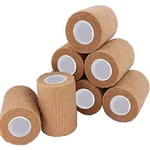
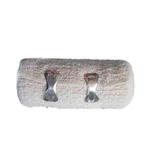
A bandage is made of strips or pieces of fabric that are used to wrap and protect a wound or injury. They are typically made of materials like cotton, gauze, or elastic that are both breathable and absorbent. Bandages are used to cover and protect wounds or provide support for injured parts of the body, prevent infection, and help the healing process. They can be secured using adhesive tape or clips and come in various sizes and shapes based on the location and size of the injury.
Advantages of Bandage
Promotes healing
This promotes optimal healing environment. Bandages also provide protection to the wound from external trauma or rubbing against clothes or other surfaces. Bandages play a crucial role in promoting healing while preventing further injury or infection to the wound.
Reduces pain
Some bandages come with a topical pain relief medication, which can further alleviate pain and discomfort. The pressure provided by the bandage can also promote healing and alleviate pain from injuries such as sprains or strains. Bandages can significantly reduce pain.
Easy to apply
Bandages are easy to apply and can be used almost anywhere. They can be used to cover a variety of injuries, including cuts, scrapes, burns, blisters, and bruises. They can also be used to secure a dressing or splint in place or to provide support and compression for strained or sprained joints.
Cost-effective
Cost-effective bandages are affordable and readily available, making them a cost-effective solution for minor injuries. These small adhesive strips and pads can be found in most households, workplaces, and first aid kits. They are commonly used to cover and protect cuts, scrapes, and blisters.




Why Choose Us
High quality
Our products are manufactured or executed to a very high standard, using the finest materials and manufacturing processes.
Professional team
Our professional team collaborates and communicates effectively with each other, and is dedicated to delivering high quality results. We are capable of handling complex challenges and projects that require our specialized expertise and experience.
Customized services
Our team of experts will work closely with you to understand your needs and will provide solutions that are tailored to meet your expectations.
Quality control
We have built a professional quality control team to accurately inspect every raw material and every production process.
One-stop solution
At our manufacturing facilities, we provide a complete package that includes everything required to get you started, including training, installation and support.
24H online service
We try and respond to all concerns within 24 hours and our teams are always at your disposal in case of any emergencies.
Types of Bandage


Adhesive bandages
They are commonly made of a strip of fabric or plastic with one side coated in adhesive. The center of the bandage typically contains a non-stick pad or compress to cover the wound and absorb any leaking fluids. Adhesive bandages are available in a range of sizes, shapes, and colors, and are often used in first aid kits or kept in medicine cabinets for minor injuries.
Gauze bandages
Gauze bandages are an essential part of any first aid kit as they can be used for a variety of purposes. They can help to absorb excess fluids from wounds, protect the wound from dirt and other contaminating agents, and promote the healing process.
Compression bandages
Compression bandages work by applying pressure to the injured area, which helps to reduce the flow of blood and fluids to the area. This pressure also helps to promote the flow of lymphatic fluid, which helps to remove waste and excess fluid from the area.
Cohesive bandages
Cohesive bandages are made of elastic and flexible materials that provide support and compression to the affected area. They are also water-resistant, making them suitable for use during water-based activities or in wet conditions. Additionally, they are available in a variety of sizes and colors, allowing for customization and versatility.
Elastic bandages
They are commonly used for injuries such as ankle sprains, wrist sprains, and knee injuries. Elastic bandages can help stabilize the joint or muscle, reduce pain, and promote healing by compressing the area and improving blood flow. They come in different sizes, with varying levels of elasticity, and can be easily adjusted to fit the body part being treated.
Hydrocolloid bandages
Hydrocolloid bandages are made of a special material that is able to absorb excess moisture from the wound, while still providing a comfortable and protective barrier. This moisture-absorbing capability helps to keep the wound clean and free from infection, and also helps to promote faster healing by keeping the skin moist and soft.
Transparent film dressings
Transparent film dressings provide a moist wound environment that promotes healing while also protecting the wound from external factors such as dirt and bacteria. They are easy to apply and remove, and can be used on a variety of wound types, including superficial burns, stitches, and pressure ulcers. The adhesive backing on the dressing also helps to keep it in place, preventing it from slipping or moving around.

To cover and protect a surgical incision
After a surgical procedure, a bandage is applied to the incision site to keep it clean and prevent infection. If necessary, the bandage may be changed regularly to monitor healing.
To secure a splint or cast
It can also provide support and compression for injuries such as sprains or strains. It is commonly used for first aid purposes, but can also be used in healthcare settings or by athletes. It is important to properly size and apply the abandage to ensure proper support and comfort.
To control bleeding
A tourniquet may be applied as a last resort for severe bleeding, but this should only be done by trained medical personnel. It is important to maintain constant pressure on the wound and to seek medical attention if bleeding does not stop or if the wound appears very deep.
To apply medication
Medicated bandages can contain a variety of different medications, including antibiotics, antiseptics, and pain relievers. The medication is often infused into the bandage material or coated on the surface of the bandage. As the bandage comes into contact with the wound, the medication is gradually released, providing long-lasting relief.
To wrap a sprain or strain
A bandage can be used to compress and wrap a sprained or strained joint, reducing swelling and providing support.
Cotton
It is a natural fiber that comes from the boll (or seedpod) of the cotton plant. Cotton is known for its ability to absorb moisture, making it an ideal material for use in wound care.Cotton bandages are also comfortable to wear because they conform easily to the shape of the body and are gentle on the skin.
Foam
The foam material is designed to conform to the shape of the wound, providing a snug fit that helps prevent leakage and contamination. These bandages are ideal for wounds that are located in difficult-to-dress areas, such as joints, or for wounds that require a high level of protection.
Gauze
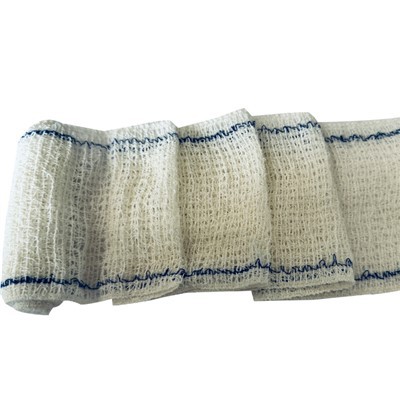
Gauze bandages come in a variety of sizes and types, including sterile and non-sterile, woven and non-woven, and adhesive and non-adhesive. They are often combined with other wound care products such as wound dressings and tape to create a complete wound care regimen. Gauze is a versatile material that is used in many healthcare settings, including hospitals, clinics, and home health settings, for a variety of wound care applications.
Hydrocolloid
Hydrocolloid bandages are designed to absorb fluid from the wound, while also keeping bacteria and debris out of the wound bed. The moisture in the hydrocolloid material helps to speed up the natural healing process by promoting the growth of new tissue and preventing scab formation.

Process of Using Bandage
Clean and sanitize the wound
Before applying a bandage, it is important to clean and sanitize the wound to prevent infection. Use an antiseptic cleanser to clean the wound and wait for it to dry completely.
Apply dressing
Place the sterile dressing or gauze on the wound and make sure that it covers the entire wound. If the wound is deep or large, use several dressing pads to cover the area.
Wrap the bandage
With the dressing pads in place, wrap the bandage around the affected area, making sure it's snug but not too tight. The bandage should be tight enough to keep the dressing secure but still allow for proper circulation.
Secure the bandage
Once the bandage is in place, it must be secured with medical tape or fasteners. Make sure to secure the bandage firmly but not too tightly, as this can cause swelling or hinder circulation.
Check the bandage and dressing
After applying the bandage, check that it's secure and in place. Ensure the dressing is covering the entire wound and that there's no bleeding or discharge. If the bandage becomes wet, dirty, or loose, it should be replaced immediately.
Remove the bandage and dressing
After a few days, the wound should be healed enough to remove the bandage and dressing. To do this, gently remove the tape or fasteners and slowly unwrap the bandage. If the dressing is stuck to the wound, use warm water to help loosen it and prevent any further damage
Strip of fabric
It is important for the fabric to be soft and flexible, to allow for easy wrapping around the affected area without causing discomfort or restriction of movement. The fabric should also be absorbent, to help absorb any fluids or exudate from the wound site. In addition, it may be treated with antimicrobial agents to help prevent infection. The strip of fabric may also be pre-washed and sterilized before use.
Adhesive
The adhesive used in these bandages is typically a pressure-sensitive adhesive, meaning it sticks to the skin when light pressure is applied. This makes it easy to apply and remove the bandage without causing additional pain or damage to the wound.
Padding
The padding helps to distribute pressure evenly and reduce friction between the injured or affected area and the bandage. It also helps to absorb any excess moisture, such as sweat or blood, to keep the area clean and dry. Additionally, padding can help to prevent irritation or discomfort caused by the bandage rubbing against the skin. Overall, the padding in bandages is an important component of proper wound care and injury management.
Closure
Compression bandages may have clips or Velcro to adjust the level of tightness and secure the bandage in place. Some more advanced wound dressings may have an adhesive border, which sticks directly to the surrounding skin to keep the bandage secure and in place.
Antibacterial or medicated components
Some common antibacterial agents used in medicated bandages include silver, iodine, and chlorhexidine. These agents are effective against a wide range of bacteria, including those that are resistant to traditional antibiotics.
Elasticity
Some bandages are specifically designed to be elastic to provide compression or support to a joint or muscle. This is particularly common in sports or athletic bandages.

Keep the bandage clean
Gently pat the area dry with a clean towel or gauze before applying the new bandage. It is important to change the bandage regularly, especially if it becomes wet or dirty.
Change the bandage regularly
If the wound is heavily draining, change the bandage more frequently. Clean the wound with soap and water, and apply an antiseptic ointment before applying a new bandage.
Keep it dry
Wash your hands before touching the bandage to reduce the risk of infection. When changing the bandage, use sterile or clean hands and tools to prevent further contamination.If the bandage does get wet, immediately remove and replace it with a dry one. Moisture can prolong the healing time and increase the risk of infection.
Store them properly
Moisture and heat from causing damage to the adhesive. A medicine cabinet or drawer is a good location, but avoid storing them in the bathroom due to the humidity. Additionally, make sure to check the expiration date before using any bandage to ensure its effectiveness.
Dispose of used bandages properly
Double wrap used bandages before disposing of them to prevent spreading any infection.
What Should I Consider When Choosing Bandage
Size
Make sure you choose a bandage size appropriate for the wound or injury you are trying to treat. A bandage that is too small may not cover the entire area, while a bandage that is too large may be difficult to keep in place.
Material
There are many different types of bandage materials available, including fabric, elastic, and adhesive. Each type has its own benefits and drawbacks, so consider which one will work best for your specific needs.
Adhesive strength
Some bandages have a stronger adhesive than others. If you are using the bandage on a part of the body that moves a lot, like a joint, you may want to choose a bandage with a strong adhesive to keep it in place.
Breathability
Some materials that allow breathability include cotton, gauze, and silicone. It is also important to change the bandage regularly to ensure proper airflow and to monitor the healing process.
Waterproofness
Waterproof bandages are designed to stay on even when they come in contact with water. They are made with a special adhesive that is able to resist water and keep the bandage in place. Waterproof bandages are also useful for wounds in humid environments or for individuals with excessively sweaty skin.
Allergy considerations
Hypoallergenic bandages are made with materials that are less likely to cause an allergic reaction or irritation on the skin. They typically don't contain common allergens such as latex, fragrance, or dyes. Additionally, if you have a specific allergy, such as an allergy to adhesive, there are special adhesive-free bandages available.
Our factory
Our annual production capacity for main products are 1.5 billion of adhesive bandages, 10 million square meters of surgical tapes, 70 million of bandage products. We are aiming at supplying high quality products throughout the world. The goods are exported to US, Europe, Middle East, Africa and more than 60 countries.With more than 20, 000 square meters of workshop, including GMP standard clean room at 100,000 levels and EO sterilizer, Hangzhou Yoniner has passed ISO 13485 quality system certification and CE certification of TUV Rheinland, FDA registration and as well as BSCI audit.


FAQ
Q: What is a bandage?
Q: What are the types of bandages?
Q: When should I use a bandage?
Q: How do I apply a bandage?
Q: How often should I change the bandage?
Q: Can I reuse a bandage?
Q: Are there any risks associated with using a bandage?
Q: Can I shower or bathe while wearing a bandage?
Q: What are band aids for toes used for?
Q: What size should I use for band aids for toes?
Q: Can I use regular band aids on my toes?
Q: How long can I keep a band aid on my toe?
Q: Are band aids for toes water-resistant?
Q: Can I use band aids for toes to prevent blisters?
Q: Can band aids for toes be used on other parts of the body?
Q: Are band aids for toes latex-free?
Q: What are eco-friendly bandages made of?
Q: Are eco-friendly bandages compostable?
Q: Are eco-friendly bandages latex-free?
Q: Are eco-friendly bandages as effective as traditional bandages?