


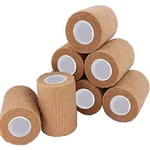

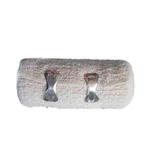
Crepe Bandage
What Is Crepe Bandage
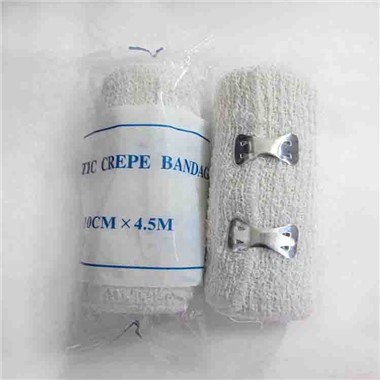
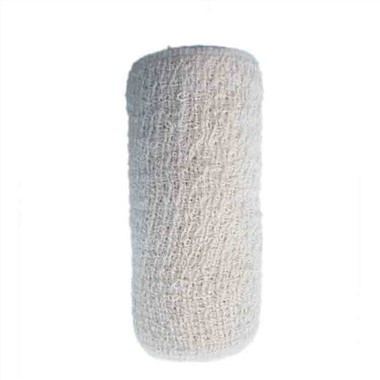
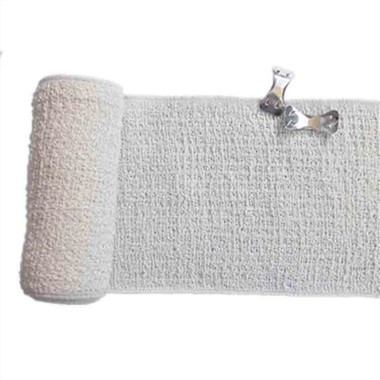
A crepe bandage is a type of compression bandage made from a cotton or cotton/polyester blend material that is woven in a way that creates a crinkled or crepe-like texture. It is used to support injured limbs, provide mild compression to alleviate swelling, and reduce pain. The bandage is designed to be wrapped around the affected area and secured in place with clips or tape. It is commonly used in the treatment of sprains, strains, and other soft tissue injuries. Crepe bandages are available in different widths and lengths, and they can be used on various parts of the body, including the ankle, knee, elbow, wrist, and hand.
Advantages of Crepe Bandage
Support
In medical treatment, support crepe bandages are used in the management of sprains, strains, and injuries affecting muscles and joints. These bandages help to maintain the correct position of the injured limb, reduce swelling, and relieve pain. The bandages are made from woven elasticated fabric that can be stretched to fit different body parts.
Easy to use
It is a flexible and stretchy bandage made of cotton or a cotton blend material. It has a basic design with a simple weave that makes it easy to wrap around joints and body parts without being too restrictive.Crepe bandage is easy to apply and can be adjusted for the right amount of compression and support.
Compression
The compression provided by crepe bandages can help to ease pain, reduce swelling and inflammation, and promote healing in a wide range of injuries and conditions.
Versatility
They can also be used for providing support and compression to areas such as wrists and ankles, and for reducing swelling and inflammation. Crepe bandages are often used in sports medicine and physical therapy, and are an essential item in any first aid kit.
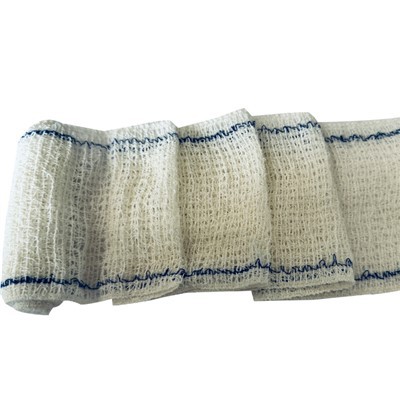

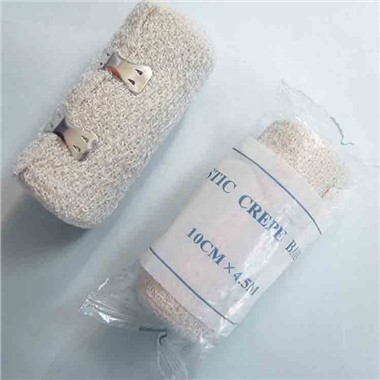



Why Choose Us
High quality
Our products are manufactured or executed to a very high standard, using the finest materials and manufacturing processes.
Professional team
Our professional team collaborates and communicates effectively with each other, and is dedicated to delivering high quality results. We are capable of handling complex challenges and projects that require our specialized expertise and experience.
Customized services
Our team of experts will work closely with you to understand your needs and will provide solutions that are tailored to meet your expectations.
Quality control
We have built a professional quality control team to accurately inspect every raw material and every production process.
One-stop solution
At our manufacturing facilities, we provide a complete package that includes everything required to get you started, including training, installation and support.
24H online service
We try and respond to all concerns within 24 hours and our teams are always at your disposal in case of any emergencies.
Types of Crepe Bandage


Cotton crepe bandage
Cotton crepe bandages are flexible, lightweight, and breathable, making them perfect for use in a variety of medical situations, such as joint sprains, muscle strains, and wound dressings. They are used to provide compression and support to the affected area, and can be easily adjusted to fit any body part. They are usually available in a range of sizes, from 2 inches to 6 inches, depending on the intended use. Cotton crepe bandages should be applied carefully to avoid constricting blood flow or causing discomfort.
Elastic crepe bandage
They are made of elastic fibers that allow them to stretch and conform to the shape of the joint or body part being supported. They are often used in the treatment of sprains, strains, and other injuries that require compression and support. Elastic crepe bandages are easy to apply and adjust, and can be used on various parts of the body such as the ankle, knee, wrist, or elbow. They come in different widths and lengths depending on the area being treated. Proper application of the bandage is important to ensure maximum support and effective healing.
Self-adhesive crepe bandage
They are often used for sprains, strains, and other injuries that require compression and support. These bandages are made from a stretchy material that conforms to the shape of the body and can be easily adjusted for the desired level of compression. They are also available in various widths and lengths to fit different body parts. Some self-adhesive crepe bandages are also reusable and washable, making them cost-effective and environmentally friendly.
Disposable crepe bandage
Disposable crepe bandages are made of a lightweight and porous material that is soft, comfortable, and breathable. They provide compression and support to injured or swollen body parts, and also help to reduce pain and inflammation.
Light compression crepe bandage
Light compression crepe bandages are typically used for injuries that are not too serious, such as minor strains or sprains, and can be worn for several hours at a time. They are available in different sizes to fit various body parts, and can be easily applied by most people without any special training.
High compression crepe bandage
They typically have a greater degree of elasticity and compression, which helps to reduce swelling and improve blood flow in the affected area. These bandages are commonly used after surgery or for the treatment of severe sprains or strains. High compression crepe bandages should be applied with care, as too much pressure can cause discomfort or even damage to the underlying tissues.
Sterile crepe bandage
Sterile crepe bandages are commonly used for surgical procedures, orthopedic injuries, and other medical purposes where sterile wound dressing is important. They are ideal for treating burns, cuts, and bruises, and they help to reduce swelling and pain.
Material of Crepe Bandage
Crepe bandages are made up of cotton, rayon or a combination of both. The material is treated with a special weaving process to give it its characteristic crinkled or textured surface, which allows for better gripping and holding. The material is lightweight, breathable, and elastic, which makes it an ideal choice for compression and support of joints and limbs.They are commonly used to provide compression for sprains, strains, and other injuries, as well as to reduce swelling and inflammation. Crepe bandages are easy to apply and can be secured with clips or tape.

Sprains and strains
Crepe bandages can provide support and stability to the affected area, preventing further injury and promoting healing. The bandage should be wrapped firmly but not too tight to avoid restricting blood flow. It should be removed and re-applied every few hours to allow for proper circulation.
Varicose veins
These are swollen and twisted veins that occur when the valves within them fail to function properly. A crepe bandage can provide support to the legs and help improve blood flow, which reduces the symptoms of varicose veins.
Lymphedema
This is a condition where fluid accumulates in the tissues and causes swelling. A crepe bandage may be used to apply compression to the affected limb and reduce the swelling.
Post-operative recovery
After surgery, patients are advised to keep the operated area immobilized and secure. An appropriately applied crepe bandage can provide support and compression to the surgical site, helping to reduce pain and swelling.
Selection of material
When selecting a material for a crepe bandage, it is important to consider the intended use and the needs of the wearer. For example, a person with sensitive skin may prefer a cotton bandage, while someone who needs extra support may benefit from a rayon bandage.
Weaving
The weave pattern used in bandages can vary depending on the intended use. For example, a bandage designed for compression may have a tighter weave pattern to provide more support and restrict movement. A bandage designed for flexibility may have a looser weave pattern that allows for more movement while still providing support.
Dyeing
Some bandages are dyed with bright colors or patterns to make them more fun for children, or to match certain outfits or activities. Some dyeing processes may also involve adding antimicrobial properties to the bandages, reducing the risk of infection in wounds.
Cutting and rolling
The woven material is cut into a specific length and width according to the requirement and rolled into a compact and tight bundle. The edges of the bandage are usually finished to prevent fraying.
Packaging and sterilization
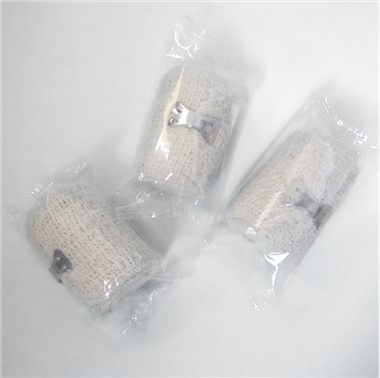
The crepe bandages are packed in sealed containers or bags to maintain their sanitation and quality. Some bandages are sterilized using UV or gamma radiation to kill any bacteria or germs, making them safe to use.

Choosing the right size
It is important to choose the correct size of crepe bandage to ensure that it fits snugly around the affected area and provides adequate support and compression. Additionally, it is important to follow proper bandaging techniques to ensure that the bandage is applied correctly and does not cause further injury or discomfort.
Preparing the wound
This is because applying a crepe bandage to an open wound can introduce bacteria and increase the risk of infection. So, before wrapping the crepe bandage, the wound should be cleaned thoroughly with soap and water or an antiseptic solution.
Starting the wrap
Overlap the bandage by about half of its width and continue wrapping around the injured area.Wrap the bandage firmly but not too tightly.If it is a limb, gradually move upwards towards the heart.Make sure there are no creases or wrinkles in the bandage as you wrap.Continue wrapping the bandage until the entire injured area is covered, and then secure it with tape or clips.
Tension
It is important to apply the right amount of tension and not to wrap it too tightly, as this can impede blood flow and cause further damage. Aim for a firm, yet comfortable pressure that allows for movement and circulation. If the area turns blue or becomes numb, loosen the bandage immediately.
Overlapping
This technique is commonly used when wrapping a limb or body part to provide compression or support. It is important to overlap each wrap to prevent any gaps that could allow the bandage to slip or the area to be unsupported. The amount of overlap should be about a third of the width of the bandage, and each wrap should be applied with even tension to avoid creating pressure points or cutting off circulation.
Securing the ends
Make sure that the ends are not too tight or too loose, as this can restrict blood flow or cause the bandage to slip off. If using a clip, make sure that it is not pressing too hard on the skin and causing discomfort. If using tape, make sure it is securely fastened and does not peel off easily. Check the bandage regularly to ensure it stays in place and does not need to be readjusted.
Checking the tightness
Check that the bandage is not too tight, which can cause more swelling, or too loose, which can result in a failure to support the injured tissue.
Monitoring
Watch for any signs of redness, swelling, tenderness, or numbness. If any of these symptoms occur, loosen the bandage or remove it altogether. Pay attention to any changes in the color or temperature of the skin and report any unusual symptoms to a medical professional. It is also important to monitor the wound itself for any signs of infection, such as oozing pus or an unpleasant odor.
Removing the bandage
Make sure not to pull or tug at the bandage, as this can cause discomfort and potentially damage the skin or any underlying injuries. If the bandage feels like it is sticking to the skin, gently loosen it using a small amount of warm water or a non-stinging adhesive remover. Once the bandage has been completely unwrapped, dispose of it appropriately and wash your hands thoroughly.
What Should I Consider When Choosing Crepe Bandage


Material
Crepe bandages should be made of high-quality cotton that is durable and doesn't easily tear. It should also be breathable to prevent skin irritation or rashes.The texture of crepe bandages makes them slightly stretchy and able to conform to the shape of the body. This allows for a snug fit without being too tight, which can impede circulation.
Width and length
The width and length of the bandage will depend on the area of the body you will be using it on. Choose a width that can comfortably wrap around the affected area, and a length that can cover it adequately.
Stretch
Crepe bandages should have enough elasticity so that it can provide adequate compression and support where needed.They should also be comfortable to wear and easy to apply. It should be able to conform to the shape of the body and retain its elasticity even after repeated use.
Comfort
To ensure that the crepe bandage is comfortable, it should be applied with proper tension and in a way that allows for proper circulation and breathing. The bandage should also be adjusted periodically to ensure that it stays in place and is not too tight.
Closure
Self-adhesive closures are generally easier to use than clips or pins, as they do not require any additional tools and can be adjusted easily. They are also more secure, as they provide a snug fit that stays in place throughout the day. However, if you are using a particularly thick or heavy crepe bandage, you may need to use clips or pins to ensure that it stays in place.
Purpose
Different crepe bandages serve different purposes, such as providing joint support or reducing swelling. Consider the purpose of the bandage before purchasing.
Our factory
Our annual production capacity for main products are 1.5 billion of adhesive bandages, 10 million square meters of surgical tapes, 70 million of bandage products. We are aiming at supplying high quality products throughout the world. The goods are exported to US, Europe, Middle East, Africa and more than 60 countries.With more than 20, 000 square meters of workshop, including GMP standard clean room at 100,000 levels and EO sterilizer, Hangzhou Yoniner has passed ISO 13485 quality system certification and CE certification of TUV Rheinland, FDA registration and as well as BSCI audit.


FAQ
Q: What is a crepe bandage?
Q: How does a crepe bandage work?
Q: When should I use a crepe bandage?
Q: How do I apply a crepe bandage?
Q: Can I re-use a crepe bandage?
Q: Are there any side effects of using a crepe bandage?
Q: Where can I buy crepe bandages?
Q: Can crepe bandages be used for animals?
Q: How does a crepe bandage work?
Q: What are the benefits of using a crepe bandage?
Q: When should I use a crepe bandage for my hand or finger?
Q: How do I apply a crepe bandage to my hand or finger?
Q: How long should I wear a crepe bandage on my hand or finger?
Q: How often should I change my crepe bandage?
Q: Are there any side effects of using a crepe bandage?
Q: How does crepe bandage help with leg swelling?
Q: Can I use crepe bandage for severe leg swelling?
Q: How should I wrap the crepe bandage for leg swelling?
Q: Can crepe bandage be reused?
Q: Can I wear the crepe bandage while sleeping?