


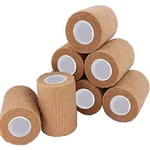

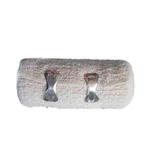
Surgical Tape
What Is Surgical Tape
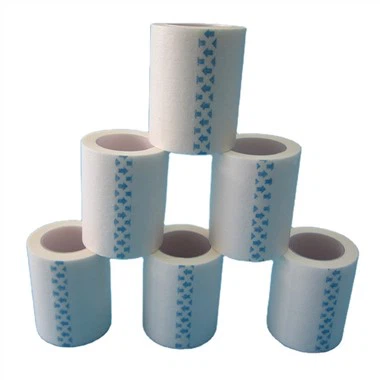
Surgical tape, also known as medical tape, is a type of adhesive tape used to secure dressings or bandages onto a wound or incision site. It is designed to be gentle on the skin and prevent any irritation or damage to the surrounding tissue. Surgical tape is typically made of hypoallergenic materials and can be easily removed without causing any discomfort or pain to the patient. It can be used in a variety of medical settings, including hospitals, clinics, and even at home for minor injuries or first aid purposes.
Advantages of Surgical Tape
Provides support and stability
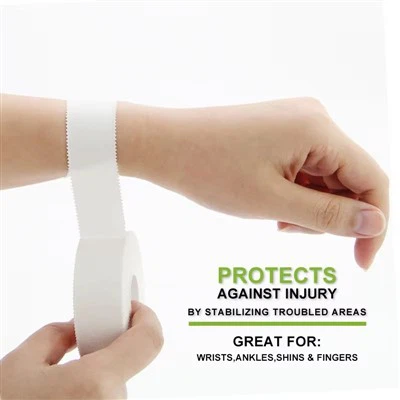
Surgical tape is commonly used to provide support and stability to joints, muscles, and tendons. It can help prevent further injury during physical activity by limiting movement and reducing strain on the affected area.
Easy to use
Surgical tape is easy to apply and remove, making it a convenient choice for healthcare professionals and patients alike. It can be easily cut to the desired length and shape, making it adaptable to different types of wounds or injuries.
Helps wounds heal
Surgical tape is used to secure wound dressings in place, helping to promote healing. It can also help prevent bacteria from getting into the wound, reducing the risk of infection.
Cost-effective
Surgical tape is a relatively inexpensive medical supply, making it a cost-effective option for healthcare providers and patients. It can be used in a variety of settings, from hospitals and clinics to sports medicine facilities and first aid kits.






High quality
Our products are manufactured or executed to a very high standard, using the finest materials and manufacturing processes.
Professional team
Our professional team collaborates and communicates effectively with each other, and is dedicated to delivering high quality results. We are capable of handling complex challenges and projects that require our specialized expertise and experience.
Customized services
Our team of experts will work closely with you to understand your needs and will provide solutions that are tailored to meet your expectations.
Quality control
We have built a professional quality control team to accurately inspect every raw material and every production process.
One-stop solution
At our manufacturing facilities, we provide a complete package that includes everything required to get you started, including training, installation and support.
24H online service
We try and respond to all concerns within 24 hours and our teams are always at your disposal in case of any emergencies.
Types of Surgical Tape


Cloth surgical tape
It is also commonly used for wound care and can be easily torn by hand, making it convenient to use without the need for scissors. It is hypoallergenic, so it is suitable for people with sensitive skin. Cloth surgical tape is a versatile product in medical settings and can be used for a variety of purposes, including first aid applications, sports injuries, and other medical procedures. It is available in various sizes to accommodate different needs and can be found in most medical supply stores.
Paper surgical tape
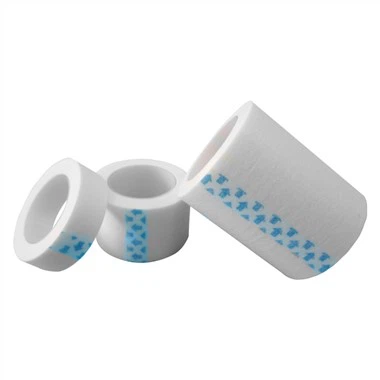
Paper surgical tape is made from a thin, breathable paper material that conforms well to the skin. The adhesive is hypoallergenic, meaning it is less likely to cause allergic reactions or skin irritation. This makes it a popular choice for patients with fragile or delicate skin, such as elderly individuals or infants.
Silicone surgical tape
It is commonly used in surgical procedures to support and protect wounds or incisions. Silicone surgical tape can also help prevent scar formation and support the healing process. Unlike traditional adhesive tapes, it can be easily removed without causing discomfort or damage to the skin.
Foam surgical tape
The foam material helps to absorb moisture and can be removed without causing irritation or damage to the skin. Foam surgical tape is also resistant to water and can be used in humid or wet environments. Additionally, it can be easily cut to any desired size, making it versatile and easy to use. It is a valuable tool for wound care and is commonly found in medical facilities, clinics, and hospitals.
Transparent surgical tape
Transparent surgical tape is hypoallergenic, meaning that it is less likely to cause an allergic reaction compared to other types of adhesive tapes. It is also breathable, allowing air to pass through the skin to prevent moisture buildup and skin irritation. Additionally, the clear film allows for easy monitoring of the wound or site while the tape is in place. It can be easily torn by hand or cut to the required length with scissors, making it convenient and efficient to use. Transparent surgical tape is available in various widths and lengths to meet different healthcare needs.
Waterproof surgical tape
It is designed to adhere to wet or damp skin and is ideal for use in environments where moisture is a concern. This type of tape is commonly used in swimmer's ear pads and for securing dressings during water activities.
Material of Surgical Tape
Surgical tape is typically made of a thin, flexible material such as paper, plastic, or fabric. The adhesive used on the tape is usually a medical-grade material that is able to stick securely to skin without causing irritation or damage. Some surgical tapes are also impregnated with medication or other substances to aid in wound healing or provide additional protection. Some fabric tapes are also designed to be stretchy, allowing them to conform to the contours of the body and provide a more comfortable fit.
Application of Surgical Tape
Securing wound dressings
Surgical tape is often used to secure wound dressings in place to prevent them from falling off or becoming contaminated.It can help ensure that wound dressings stay securely in place and provide the best possible protection for the patient's healing process.
Fixing tubes and catheters
The tape is carefully wrapped around the tube or catheter and secured to the skin to prevent it from moving or slipping out of place. This helps ensure that the tube or catheter will stay in place and function properly, providing vital medical support to the patient.
Holding medical devices in place
Surgical tape is a type of adhesive tape that is designed to be used in medical settings. When applying surgical tape to secure a medical device, it is important to ensure that the tape is placed in a manner that is both effective and comfortable for the patient. The tape should be wrapped snugly around the affected area, but not so tightly as to cut off circulation.
Closing surgical incisions
The surgical tape can be applied directly on the skin and over the incision to provide additional support and prevent the wound from opening up. The sutures are often used to tie the edges of the skin together, allowing them to heal and fuse back together. The type of sutures used may depend on the location and size of the incision, as well as the surgeon's preferences.
Preventing blister formation
It is true that athletes often use surgical tape to protect their feet from blisters during intense physical activity. The tape acts as a cushioning and protective layer between the skin and the shoe, reducing the friction and pressure that can cause blisters. The tape also helps to keep the foot in place inside the shoe, reducing the chance of the foot sliding around and rubbing against the inside of the shoe.

Cutting and stripping
The tape is then fed through a stripping machine that removes any excess adhesive and creates a smooth and clean edge on both sides. This process is important because it ensures the tape will stick properly and does not have any rough or jagged edges that can snag or catch on surfaces. The stripping process can be done either through a mechanical stripping machine or by manually cutting the tape with a sharp blade. After stripping, the tape is wound onto a spool or roll for storage and shipment.
Coating
The coating process takes place on a machine called a coater. The tape material is fed through a series of rollers where the adhesive compound is applied. The thickness of the coating can be controlled by adjusting the gap between the rollers and the speed of the tape transport. Different types of coatings can also be applied to the tape material, such as release coatings, which prevent the adhesive from sticking to the backing material before application. After coating, the tape is dried and wound onto a roll for storage or further processing.
Drying
This process involves evaporating the solvent used in the coating process, which can take a few minutes to a few hours depending on the type of adhesive and the thickness of the tape. The curing process is also important, as it helps the adhesive develop its full strength and properties. Generally, the tape is heated to a specific temperature for a set amount of time to allow the adhesive to cross-link and form strong bonds. Once the drying and curing process is completed, the tape is cooled down and wound up into rolls for further processing or shipping.
Winding and packaging
The winding and packaging process is crucial to ensuring that the tape is protected and can be used effectively by customers. Proper winding and packaging can also help extend the shelf life of the tape, preventing it from drying out or becoming damaged before it is used.
Adhesive
This is the glue-like substance that adheres the tape to the skin or surface. It is made of a variety of materials, including rubber, acrylic, or silicone. Some of the key properties of adhesives include viscosity, strength, flexibility, and curing time.
Backing
The backing is the foundation of the tape and serves as the main support for the adhesive layer. It determines the durability, thickness, and flexibility of the tape. The choice of backing material depends on the application and the properties required.
Liner
The liner also provides a smooth surface for the adhesive to transfer onto the desired surface without any bumps or wrinkles. It plays a crucial role in storing and transporting tapes without any damage or contamination. Once the liner is removed, the adhesive is exposed and can stick to the desired surface. The liner is designed to be easy to remove, ensuring quick and accurate application of the tape.
Release agent
This is a substance that ensures that the tape can be easily removed from its backing and applied to the skin or surface. It is typically made of silicone or other non-stick materials.

Keep the tape in a cool and dry place. If exposed to heat and moisture, the tape's adhesive may weaken and become less effective.Avoid touching the adhesive side of the tape. Oils and dirt from the skin can hinder the tape's adhesive properties.Clean the skin before applying the tape. Use alcohol or a mild soap and water to remove any oils, dirt, or sweat. This will help the tape adhere properly and stay in place longer.Replace the tape regularly. Most surgical tapes can be worn for several days, but they should be replaced immediately if they become wet, dirty, or start to peel.Remove the tape gently. Always peel the tape off slowly and in the direction of hair growth. Removing the tape too quickly or in the opposite direction can cause skin irritation and pain.Store the tape according to the manufacturer's instructions. Different types of surgical tape may have specific storage requirements.
What Should I Consider When Choosing Surgical Tape
Material
The first factor to consider when choosing surgical tape is the material. Some materials may cause an allergic reaction or irritation, so it's important to choose a material that is hypoallergenic and gentle on the skin.
Adhesiveness
The next factor to consider is the adhesiveness of the tape. Highly adhesive tapes may provide a stronger hold, but they can also be difficult to remove and may cause skin irritation. Less adhesive tapes may be more comfortable, but they may not provide as strong of a hold.
Breathability
Surgical tape should allow the skin to breathe, so it's important to choose tape that is breathable. This can help prevent skin irritation and allow wounds to heal more quickly.
Width
The width of the tape may also impact its adhesive strength and how long it can stay in place. Ultimately, the width of the tape should be chosen based on the size and location of the wound, as well as the level of stability and support needed to promote healing.
Water resistance
Water-resistant tapes are typically coated with a layer of adhesive that repels water and prevents the tape from deteriorating or losing its adherence when exposed to moisture.
Our factory
Our annual production capacity for main products are 1.5 billion of adhesive bandages, 10 million square meters of surgical tapes, 70 million of bandage products. We are aiming at supplying high quality products throughout the world. The goods are exported to US, Europe, Middle East, Africa and more than 60 countries.With more than 20, 000 square meters of workshop, including GMP standard clean room at 100,000 levels and EO sterilizer, Hangzhou Yoniner has passed ISO 13485 quality system certification and CE certification of TUV Rheinland, FDA registration and as well as BSCI audit.


FAQ
Q: What is surgical tape?
Q: What is surgical tape made of?
Q: What are the different types of surgical tape?
Q: What is surgical tape used for?
Q: Is surgical tape safe for sensitive skin?
Q: Can surgical tape be left on for an extended period of time?
Q: Can surgical tape be used on infants or children?
Q: Is surgical tape waterproof?
Q: Can surgical tape be easily removed?
Q: What should I do if I experience skin irritation from surgical tape?
Q: What is non woven adhesive tape?
Q: What are the benefits of using non woven adhesive tape?
Q: What are the different types of non woven adhesive tapes?
Q: Where is non woven adhesive tape used?
Q: How is non woven adhesive tape applied?
Q: Is non woven adhesive tape removable?
Q: Can non woven adhesive tape be used outdoors?
Q: What is nonwoven paper tape?
Q: What is nonwoven material?
Q: What are the applications of nonwoven paper tape?