



Silk Tape
What Is Silk Tape
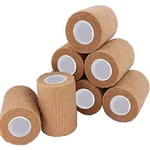
Silk tape is a type of medical tape that is made from woven silk fibers. It is a hypoallergenic tape that is strong, flexible, and adheres well to the skin. Silk tape is commonly used for securing dressings, wound closure, and as an anchor for medical devices and tubes. It is gentle on the skin and leaves minimal adhesive residue when removed. Silk tape is available in different widths and lengths, making it suitable for various applications in wound care, surgery, and other medical procedures.
Advantages of Silk Tape
Gentle and safe
It is also hypoallergenic and non-irritating, making it suitable for use on areas such as the face, especially for those with eczema or other skin conditions. The gentle adhesive used in silk tape helps prevent skin irritation or damage during removal, reducing the risk of further skin problems. Additionally, silk tape is breathable, allowing air and moisture to circulate around the skin, which helps prevent infections and promotes faster healing.
Breathable
Silk tape is gentle and non-irritating, making it an ideal option for patients with chronic wounds that require frequent dressing changes.
Adhesive strength
This is because the adhesive used in silk tape is made with strong and sticky materials, such as acrylics. The adhesive is able to stick to the skin and hold the tape in place even under movement or moisture.
Comfortable
The soft texture of silk tape is also gentle on sensitive skin, which makes it a good choice for individuals with allergies or other skin conditions. The comfort of silk tape can enhance the healing process and help people feel more comfortable and confident during their recovery.
Versatile
In addition to wound dressing, Silk tape can also be used to secure intravenous (IV) lines and catheters. Its strong adhesive properties keep the line in place, preventing dislodgement and the potential for infection.
Easy application
Its easy application also ensures that wounds are properly dressed and protected, reducing the risk of infection or further injury. Silk tape is a convenient and reliable option for dressing changes and wound care.


High quality
Our products are manufactured or executed to a very high standard, using the finest materials and manufacturing processes.
Professional team
Our professional team collaborates and communicates effectively with each other, and is dedicated to delivering high quality results. We are capable of handling complex challenges and projects that require our specialized expertise and experience.
Customized services
Our team of experts will work closely with you to understand your needs and will provide solutions that are tailored to meet your expectations.
Quality control
We have built a professional quality control team to accurately inspect every raw material and every production process.
One-stop solution
At our manufacturing facilities, we provide a complete package that includes everything required to get you started, including training, installation and support.
24H online service
We try and respond to all concerns within 24 hours and our teams are always at your disposal in case of any emergencies.
Woven silk tape
This is the most common type of silk tape. It is made by weaving silk fibers together to form a strong, durable tape. It is often used in medical applications, such as bandaging wounds or securing intravenous lines.
Adhesive silk tape
Adhesive silk tape has a sticky backing that allows it to be easily applied to the skin. It is often used in first aid kits for general wound care or for securing dressings.
Silk sthletic tape
Thletic tape made from silk is designed for use in sports and other physical activities. It is often used to provide support for injured joints or muscles, or to prevent injuries by providing additional support to healthy joints.
Surgical silk tape
Surgical silk tape is designed specifically for use during surgery. It is sterile and hypoallergenic, and is used to close incisions or secure other medical instruments during the surgical procedure.

Material of Silk Tape
Silk tape is made from natural silk fibers. It is a lightweight and smooth material that features exceptional strength and durability. The material is hypoallergenic and biocompatible, making it ideal for use in medical applications. The silk fibers are woven together to create a sturdy and flexible tape that can be used for a variety of purposes. Silk tape is widely used to bind and hold dressings, secure tubing or other medical devices, and manage wound closure.
Application of Silk Tape
Wound closure
Silk tape is often used to close surgical incisions and lacerations. It is effective in keeping wound edges together until they heal, and it can also provide support to the surgical site.Silk tape is a reliable and commonly used method for closing surgical incisions and lacerations. It is a cost-effective and efficient way to support wound healing and promote tissue recovery.
Dressing retention
To use dressing retention Silk tape, first clean and dry the skin around the wound or dressing. Cut a length of tape to the desired size, and place it over the dressing or wound, making sure to smooth out any wrinkles or bubbles. Press the edges of the tape firmly onto the skin to ensure that it adheres properly.
Catheter and tube fixation
Silk tape can be used to secure catheters, IV lines, and drainage tubes to the skin. This helps prevent accidental dislodgement and keeps the device in place.
Emergency first aid
Silk tape can be used as a temporary measure to secure bandages or dressings in emergency situations. It can also be used to immobilize a fractured limb or to make a makeshift splint.
Process of Silk Tape


Extraction of raw silk
The process starts with the extraction of raw silk from the cocoon of the silkworm. The cocoons are boiled in water to soften the silk fibers, and then the fibers are unwound from the cocoon to make a continuous silk filament.
Filament spinning
After the silk has been reeled into single filaments, several filaments are combined and twisted together to form a yarn. The twisting process involves the use of spinning machines that wind the filaments tightly together to create a strong and durable yarn.
Weaving
The silk yarn is then woven into a thin strip of fabric. The width of the strip depends on the desired width of the tape. The fabric is woven in a way that creates a consistent weave pattern, which makes it easy to tear the tape straight.
Adhesive application
The woven silk fabric is then coated with an adhesive. The adhesive is usually a rubber-based adhesive that has good sticking properties while also allowing the tape to be easily removed without leaving residue.
Cutting and packaging
The finished silk tape is then cut into rolls of various lengths and widths depending on the intended use. The rolls are then packaged and labeled for distribution.

Clean the wound
If needed, use an antiseptic solution to clean the wound. This helps to prevent infection. Be gentle when cleaning the wound to avoid further injury. Once the wound is clean and dry, apply the silk tape as directed by your healthcare provider.
Cut the tape
Make sure to use clean scissors or a cutting tool to avoid introducing bacteria into the wound. It's recommended to cut the tape a few inches longer than the wound to ensure proper coverage. Once cut, place the tape aside and prepare the wound or bandage as needed before applying the tape.
Apply the tape
Place one end of the tape on the skin and gently press it down, making sure it adheres to the skin. Then, stretch the tape over the wound or bandage, and press it down again on the other side.
Secure the tape
Use your fingers to press down firmly on the edges of the tape to ensure it is adhered well to the skin. If necessary, you can also use a clean piece of gauze or cotton to gently apply pressure to the tape.If the tape is being used to secure a medical device such as an IV, catheter, or wound dressing, make sure that it is not too tight or too loose. The device should be firmly secured in place, but not so tight that it cuts off circulation or causes discomfort.
Change the tape
Ensure that the affected area is clean and dry before applying the new tape. If you notice any signs of irritation or infection, such as redness, swelling, or pus, contact your healthcare provider immediately. Proper tape hygiene can help prevent complications and promote faster healing.
What Should I Consider When Choosing Silk Tape
Adhesive strength
Consider the strength of the adhesive on the tape. If you need it to hold for an extended period, you will need a more powerful adhesive.
Skin sensitivity
Look for silk tapes that are comfortable and gentle on your skin. If you have sensitive skin, choose hypoallergenic silk tape that will not cause skin irritation.
Purpose
Determine your purpose for the tape. If it is for medical purposes, your doctor or healthcare provider will recommend the right silk tape. If it is for DIY projects, choose a versatile tape that can serve multiple purposes.
Cost
Silk tapes come in different price ranges. Consider the cost of the tape and choose a tape that fits within your budget without sacrificing quality.

Water resistance
If your tape will be exposed to water, choose water-resistant silk tape that will not peel or loosen.
Breathability
Silk tapes that are breathable will let air flow into the skin and prevent moisture and skin irritation.
Durability
Choose silk tapes that can withstand harsh environmental conditions and do not tear easily.
Width
The width of the tape depends on your needs. If you need it for large wounds, choose a wider silk tape.
How Long Can Silk Tape Be Left On?
If there are signs of skin irritation or redness, the tape should be removed immediately. In general, it is recommended to change the tape every 24-48 hours to prevent the risk of infection and ensure proper wound healing. Silk Tape should be changed at least once a day or as needed, depending on the wound or injury being treated. It should not be left on the skin for extended periods of time as it may cause skin irritation or damage. If you are uncertain about how long to leave the tape on, consult with your healthcare provider for specific instructions.
Store the silk tape in a cool and dry place to prevent deterioration.Avoid exposing silk tape to direct sunlight or extreme temperatures.Clean the silk tape gently with a damp cloth or sponge if it gets dirty or stained.Allow the silk tape to air dry completely before using or storing it to prevent mildew.Always follow the manufacturer's instructions for washing and caring for the silk tape.Avoid using harsh chemical cleaners or abrasive materials that can damage the delicate silk fibers.Handle the silk tape gently to avoid pulling or stretching the fibers.If the silk tape is frayed or damaged, replace it promptly with a new one to ensure maximum effectiveness.

Is Silk Tape Hypoallergenic?

Silk Tape is generally considered hypoallergenic, but some people may have an allergic reaction to the adhesive. It is always recommended to perform a patch test before using Silk Tape on large areas of skin.If there is no irritation or allergic reaction, then it is safe to use Silk Tape on a larger area. In case of any discomfort, itching, or redness, remove the tape immediately and consult a medical professional for further advice. It is also important to avoid using Silk Tape on open wounds or damaged skin, as it may cause further irritation or infection.
Our factory
Our annual production capacity for main products are 1.5 billion of adhesive bandages, 10 million square meters of surgical tapes, 70 million of bandage products. We are aiming at supplying high quality products throughout the world. The goods are exported to US, Europe, Middle East, Africa and more than 60 countries.With more than 20, 000 square meters of workshop, including GMP standard clean room at 100,000 levels and EO sterilizer, Hangzhou Yoniner has passed ISO 13485 quality system certification and CE certification of TUV Rheinland, FDA registration and as well as BSCI audit.


FAQ
Q: What is silk tape?
Q: What are the benefits of using silk tape?
Q: Is silk tape waterproof?
Q: How do I apply silk tape?
Q: How long can silk tape be left on?
Q: Is silk tape hypoallergenic?
Q: Where can I buy silk tape?
Q: What is silk surgical tape?
Q: What is silk surgical tape used for?
Q: How is silk surgical tape different from other types of medical tape?
Q: Is silk surgical tape safe for sensitive skin?
Q: Can silk surgical tape be used in water?
Q: How long can silk surgical tape stay on the skin?
Q: Is silk surgical tape easy to remove?
Q: Can silk surgical tape be used on pets?
Q: Is silk surgical tape expensive?
Q: Where can I buy silk surgical tape?
Q: What are the common uses of silk adhesive tape?
Q: What are the advantages of silk adhesive tape?
Q: Is silk adhesive tape waterproof?