


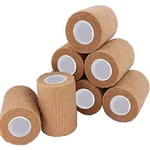

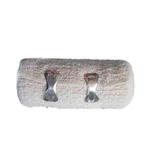

Sports Tape Patellar Tendonitis
Instructions for use
1. Please clean the pasted part before use to keep the skin dry. (Do not rub skin oil and similar products, such as body hair is recommended to remove)
2. According to the length and shape of the muscle, choose the length and width of the cloth to stick along the long axis and direction of the muscle. Use a narrow cut tape on the wrist and wide tape on the waist and thighs
3. Cut all right angles at both ends of the muscle tape into rounded corners
4. Paste according to the muscle direction, do not overstretch, leave enough space for the skin to expand 04, pay special attention to the end of the paste, do not do any stretching action
5. Touch back and forth with the palm of your hand several times, if necessary, use a hair dryer to strengthen the adhesion
Apply tape only to healthy skin. Avoid sunburns, skin with lotion on it, and areas that wrinkle, like hands and feet. Consider tape part of your regular routine rather than a magic fix for screaming muscles. Utilize the right kind of tape for your particular need. Remember that muscles require rest, and that overexerted muscles, even if taped, can become injured with improper form.
You might be wondering what those tapes many athletes wear are for, sometimes in bright colours and sometimes simply plain white. You've probably seen these bands utilized by everyone from weekend warriors to professional athletes to non-athletes who needed assistance with their recovery.
Even while many people are familiar with the terms "taping," "athletic taping," "sports taping," and "kinesiology taping," they frequently have no idea what these terms represent or how or when to apply particular taping techniques in the context of treating injuries. This blog seeks to clarify the differences between traditional athletic taping and kinesiology taping techniques.
Traditional sports tape is thick, non-elastic, and only available in rolls. It is often white. If not rapidly removed, it might retain moisture for long periods, irritating the skin. In addition, regular sports tape often has a very strong adhesive backing that, when applied directly to the skin, can seriously irritate or tear down the skin. Because of this, a non-adhesive pre-wrap is typically utilized to avoid having the tape come into direct contact with the skin. This prevents the tape from attaching to the skin and enables it to stick to the pre-wrap.
Kinesiology tapes are available in rolls and precut applications for various body parts. Additionally, it is available in a more extensive range of colours. Kinesiology tape is thin and elastic. Due to its high porosity, it can quickly dry after swimming, sweating, or taking a shower. Kinesiology tape employs an acrylic adhesive that is considerably kinder and almost eliminates skin discomfort. The suppleness of the tape and the hypoallergenic adhesive enables kinesiology tape to be pleasantly worn for up to 5 days per application.
Manufacturing Process

About us


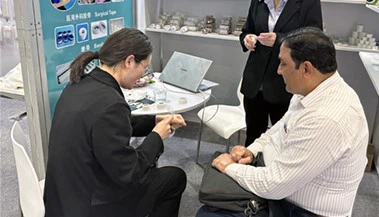
Our Exhibitions


Hot Tags: sports tape patellar tendonitis, China sports tape patellar tendonitis manufacturers, suppliers, factory, Sports Tape Side Of Foot, Sports Injury Tape, Elastoplast Strapping, Sports Tape Foot Pain, Athletic Tape Wrist, Sports Tape Rolled Ankle
You Might Also Like


Send Inquiry