


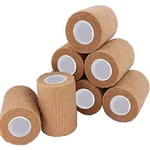


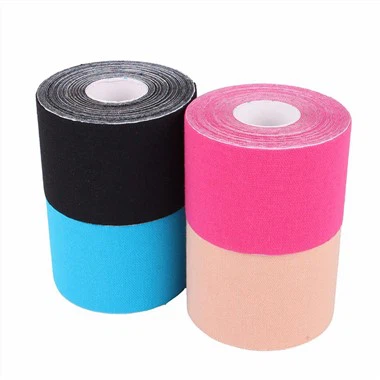
Waterproof microporous PE tape for hospital surgery
Description: Surgical Tape Width 25mm or 1″ Inch Length 9 Meter Microporous Tape
Surgical Tape Width 25mm 1″ Inch Length 9 Meter Microporous Tape Hypoallergenic First Aid Medical Tape Latex Free Eyelash
Sensitive Skin Surgical Tape
Micropore is a hypoallergenic paper tape that is gentle to the skin yet adheres well and leaves minimal adhesive residue upon
removal. An economical, general purpose, breathable surgical tape.
Features:
* Gentle adhesion
* Conformable and highly breathable
* Reliably secures dressings and devices to skin
* Hypoallergenic and not made with natural rubber latex
* Economical single use rolls
* Paper, hypoallergenic tape
* A hypoallergenic paper tape that is gentle to the skin yet adheres well and leaves minimal adhesive residue upon removal. An
economical, general purpose, breathable surgical tape. Not made with natural rubber latex. Available in white or tan.
* Latex-free and hypoallergenic for sensitive patients
* Highly breathable to maintain skin integrity
* Holds well on damp skin for secure placement
* Length: 9 Meter
* Width: 1″ Inch or 25mm
Suggested Applications:
* Securing small to medium dressings especially on damp skin
* Securing lightweight tubing
* Securing ostomy appliances
* Taping fragile, at-risk skin
* When repeated taping is needed
How do I care for an incision after surgery?
Your healthcare provider will give you specific instructions to follow after surgery to care for your incisions, which may include:
Always washing your hands before and after touching your incisions.
Inspecting your incisions and wounds every day for signs of infection like swelling, pus or color changes.
Looking for bleeding. If your incisions start to bleed, apply direct and constant pressure to the incisions. If you experience any unexpected bleeding, you should call your healthcare provider for instructions.
Avoiding wearing tight clothing that might rub on your incisions.
Avoiding participating in activities that can interfere with healing, like running or strength training and some household chores that involve twisting, bending or lifting.
Avoiding scratching your wounds. Your incisions might feel itchy as they heal - this is normal. If the itchiness gets worse instead of better after a few days, call your healthcare provider.
How do I bathe with surgical incisions?
If you have a surgical wound, your healthcare provider may give you specific instructions about how to bathe and not irritate your incisions. These may include:
Staples and Stitches (Sutures): You can wash or shower 24 hours after surgery unless directed otherwise by your healthcare provider. Clean the area with mild soap and water and gently pat dry with a clean cloth.
Steri-Strips: You can wash or shower with Steri-Strips in place. Clean the area with mild soap and water and gently pat dry with a clean towel or cloth. Don't pull, tug or rub Steri-Strips.
Tissue adhesive (glue): Keep the adhesive dry for the first five days. While the glue is waterproof, cover the area while bathing until five days are up, then you can bathe normally. Avoid soaking your surgical site in water; showers are the best method to wash. Pat the wound dry if it gets wet.
How do I change a Waterproof microporous PE tape for hospital surgery
Your healthcare provider will give you detailed instructions and will usually show you how to change your dressing. If you have any questions, call your provider.
Wound dressing supplies
There are a few basic supplies you'll need to change a dressing. These supplies include:
Gauze pads.
Disposable medical gloves (optional).
Surgical tape.
Scissors.
Paper towels or a clean cloth.
Steps to change a wound dressing
There are several steps involved in changing the dressing for your incision.
Step 1: Prepare an area to change a dressing.
First, clean a surface, like a table or counter, to work on. If you have pets, move them to a different room during this process and remove any jewelry you're wearing. After washing the surface where you'll store your supplies with soap and water (and/or sanitizing wipes), cover that surface with a clean cloth or paper towel.
Step 2: Remove the old dressing.
Gently remove the old dressing from your skin as instructed by your healthcare provider.
Step 3: Clean and rinse the incision.
You need to clean and rinse your incision site with a gentle (unscented) soap and water. If you take a shower, you can clean the incision during the shower. You can apply the dressing after your shower. If you aren't showering, you should clean the incision as instructed by your healthcare provider.
Always inspect your incisions for signs of infection, like swelling or color changes to your skin.
Step 4: Apply a new dressing.
To apply a new dressing, follow these steps:
If your surgeon prescribed a topical ointment, apply a very thin layer of the ointment to the incision.
Hold a clean, sterile gauze pad by a corner and place it over the incisions
Tape all four sides of the gauze pad to your skin.
Wash your hands with soap and water again.
How do I apply a butterfly bandage?
A butterfly bandage, Steri-Strip or a butterfly closure, is an adhesive bandage that has two long and wide ends connected by a thin center. This type of bandage treats small and shallow cuts in an area of your skin that doesn't move around a lot.
To apply a butterfly bandage, follow these steps:
Wash your hands with soap and water then clean the wound and your skin around it.
Open the butterfly bandage.
Pinch the skin of your cut together by sticking half of the bandage on one side of the cut. The thin part of the bandage should rest over the cut. Then, stick the other side of the bandage on your skin on the opposite side of the cut. You may need to apply more than one butterfly bandage to your cut depending on its size.
Keep the area clean and dry until your skin heals.
If you have a large cut or a cut on your skin that continues bleeding after you place a bandage on your skin, contact a healthcare provider.
|
Features: Breathable soft and comfortable; high tensile strength, non-slip, remove easily, non-sticky to skin or hair, no degumming, leaves no residue. |
|
Product Name |
Specification |
Packing |
Carton Size |
|
PE TAPE with holes |
1.25cmx5m |
24roll/box, 30box/ctn |
26.5X26.5x28cm |
|
2.5cmx5m |
12roll/box, 30box/ctn |
26.5X26.5x28cm |
|
|
5cmx5m |
6roll/box, 30box/ctn |
26.5X26.5x28cm |
|
|
7.5cmx5m |
6roll/box, 30box/ctn |
26.5X26.5x41cm |
|
|
10cmx5m |
6roll/box, 30box/ctn |
26.5X26.5x53.5cm |
|
|
1.25cmx10yds |
24roll/box, 30box/ctn |
28.5x28.5x27.5cm |
|
|
2.5cmx10yds |
12roll/box, 30box/ctn |
28.5x28.5x27.5cm |
|
|
5cmx10yds |
6roll/box, 30box/ctn |
28.5x28.5x27.5cm |
|
|
7.5cmx10yds |
6roll/box, 30box/ctn |
28.5x28.5x40.5cm |
|
|
10cmx10yds |
6roll/box, 30box/ctn |
28.5x28.5x40.5cm |


Hot Tags: Waterproof microporous PE tape for hospital surgery, China Waterproof microporous PE tape for hospital surgery manufacturers, suppliers, factory, Medical Consumable Pe Surgical Tape, PE Tape, Micropore Pe Medical Tape, Transparent Pe Tape Transpore Tape, Medical Consumable Pe Surgical Tape, PE Tape
Previous
No InformationNext
Surgical PE TapeYou Might Also Like


Send Inquiry