


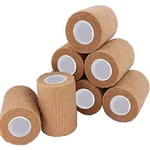

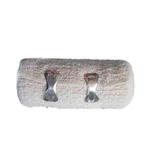


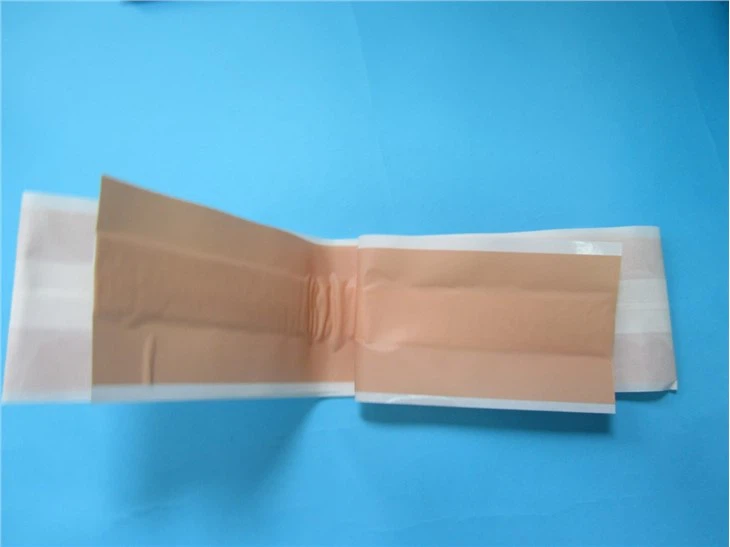

Band Aid Waterproof Tough Strips Extra Large
Product Description:
1. Cut the band-aid at any length according to the size of the wound to protect the wound;
2. A variety of colors, a variety of materials, a variety of choices;
3. Can be folded, easy to carry, room temperature storage.
Product functions:
1. Protect the wound, avoid secondary injury, reduce the invasion of bacteria, dust;
2. With waterproof effect, different materials, the effect is different;
3. Reduce wound bleeding, has a certain effect on wound healing.
Have you ever cut or hurt yourself and had to use an adhesive bandage, such as a Band-Aid? If so, then you know that an adhesive bandage is a small piece of sticky adhesive tape with an absorbent pad that you use to cover small cuts or wounds on your body. The absorbent pad is often made of cotton, and there is sometimes a thin coating over the pad, to keep it from sticking to the wound. The adhesive bandage protects the wound and scab from bacteria, damage, or dirt, so that the healing process of the body is less disturbed.
The adhesive used in bandages is commonly an acrylic polymer. What is a polymer? Polymers are very big molecules made up of many smaller molecules chemically attached together in a repeating pattern. In fact, the word polymer is Greek for 'many parts.'
The smaller molecules that come together to form polymers are called monomers - small units that link together over and over to form a large polymer. Think of monomers like paper clips that link together to form a chain, and the chain is a polymer. By changing the type of monomer used, chemists can make polymers with many different characteristics. Acrylate monomers are one type that is especially useful in making glues.
We've all had cuts and scrapes that adults help us take care of at home. But what about more serious wounds - the kinds that involve a trip to the doctor? In selecting a way to close up patients' wounds, today's doctors have many different choices, including sutures (also called "stiches"), staples, adhesive strips, and adhesive glues.
Doctors use adhesive glue - also called "skin adhesive" or "liquid stitches" - to close both major and minor wounds. Skin adhesives have many benefits, such as less pain, antibacterial activity, and less visible scars. They are very effective in closing small, straight wounds on sensitive areas like the face and head
Most skin adhesive glues used today are made from a type of acrylate polymer known as cyanoacrylate. At first, cyanoacrylates were used for non-medical purposes. Have you ever heard of superglue? It was not until 1998 that the U.S. Food and Drug Administration approved a special kind of cyanoacrylate for medical use. Medical cyanoacrylates are less toxic than the regular superglue your parents might use around the house.
What is it that makes acrylates so sticky? The answer is found at the molecular level. The atoms in the acrylates tend to have an attraction to other molecules, a force that is similar to what you see in static cling. You can see static cling happening when your clothes stick together as they come out of the dryer, or when you rub a balloon on your head to make it stick to a wall. Stickiness can also come from the glue flowing into the gaps and crevices and holding tight within itself.
Manufacturing Process

About us


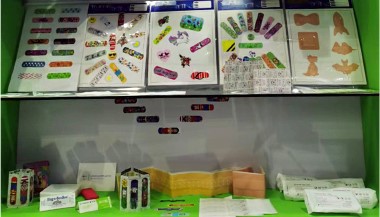
Our Exhibitions


Hot Tags: band aid waterproof tough strips extra large, China band aid waterproof tough strips extra large manufacturers, suppliers, factory, Band Aid for Spots, Butterfly Stitch Band Aid, Band Aid Waterproof Tough Strips Extra Large, PE Material Band aid
Previous
Band Aid with MicroporeNext
No InformationYou Might Also Like


Send Inquiry