


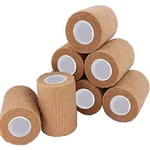

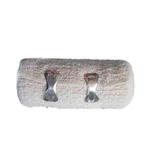

Medical Hypoallergenic Tape
Why use YONINER Surgical Tape?
Breathable and allows moisture to evaporate
Tears easily to size
Quick and easy application
How can I select the best medical tape?
You would be incredibly foolish to believe that medical tape is all the same. Selecting the proper medical tape may surely be done with the adage "the right tool for the right job" in mind. To find the right medical tape for your needs, start by asking yourself a few short questions. First off, are you allergic to anything, or do you have sensitive skin? Second, where on your body should the tape be applied? Some things to think about are as follows:
Usage instructions
The wound needs to be cleansed and disinfected before using this treatment.
Remove the liner film by tearing it off, then place it immediately over the area that requires bandaging.
The new tape was made up of three layers: the mesh, the adhesive, and the tape substrate. There was a mesh between the skin and the adhesive when this tape was applied to the skin. Through the mesh holes, the adhesive made contact with the skin, adhering the tape substrate to the skin. Nevertheless, the adhesive did not come into touch with the skin at the mesh body; as a result, the mesh separated the adhesive-skin contact surface.
Underneath the tape substrate was a mesh. The surgical tape could be secured to the skin in its entirety as soon as the adhesive made contact with the skin through the mesh holes. Because the adhesive did not come into touch with the skin surrounding the mesh area, the adhesive surface was split by the mesh.
How to use the mesh when peeling off the tape: Hold the mesh (A side) with one finger (e.g. press the mesh against the patient's skin) and pinch the tape substrate with another finger and peel it off slowly. Because the B side of the mesh is fixed to the skin with tape, the downward force on the skin is applied to the mesh from A and B. This downward force is then transmitted to the skin through the mesh, preventing the skin from sagging because the tape pulls it upward).
The mesh is made of olefin using a printing method. The mesh is pentagonal, with a line thickness of 250μm, a width of 750μm, and an open porosity of 76%. It is used as a tape substrate and adhesive for experimental tape. It is a highly viscous medical tape composed of non-woven paper and acrylic adhesive, used in dialysis hospitals to fix the tube to the patient's skin. The experimental tape is made by the tape manufacturer using an olefin mesh combination.
Changing a bandage is an essential skill for maintaining伤口 hygiene and promoting healing. Whether you're caring for a minor cut, scrape, or surgical wound, knowing how to change a bandage correctly can prevent infection and ensure a quick recovery. Here's a detailed guide on how to perform this task safely and effectively.
Materials Needed:
Clean bandages (appropriate size and type for the wound)
Antiseptic solution or wipes (e.g., hydrogen peroxide, iodine, or alcohol-free wipes)
Gauze pads or sterile dressing (if needed)
Medical tape or adhesive bandage strips
Scissors (for cutting gauze or tape)
Latex or non-latex gloves (optional but recommended for hygiene)
A waste bag or container for used bandages and gloves
Step-by-Step Guide:
Wash Your Hands: Before starting, thoroughly wash your hands with soap and water to prevent the introduction of bacteria to the wound.
Put On Gloves: If available, put on a pair of disposable gloves to maintain a sterile environment and protect yourself from coming into contact with any bodily fluids.
Gather Your Supplies: Lay out all the necessary materials within easy reach so you can change the bandage without having to search for items.
Remove the Old Bandage: Gently peel off the old bandage. If it's stuck to the wound, you can moisten the edges with warm water or an antiseptic solution to help loosen the adhesive. Avoid pulling directly on the wound, as this can cause pain and damage to healing tissue.
Inspect the Wound: Once the old bandage is removed, examine the wound for signs of infection, such as increased redness, swelling, discharge, or an unpleasant odor. If you notice any of these symptoms, consult a healthcare professional.
Clean the Wound: Using an antiseptic solution or wipes, clean around the wound to remove any debris or bacteria. Be gentle to avoid causing pain or further injury. Pat the area dry with a clean gauze pad or sterile dressing.
Apply New Dressing or Bandage: If the wound requires a dressing, place a clean gauze pad over it. For smaller wounds, an adhesive bandage may be sufficient. Ensure the dressing or bandage covers the entire wound and extends onto the surrounding healthy skin.
Secure the Bandage: Use medical tape or the adhesive strips on the bandage to secure it in place. Do not apply the tape too tightly, as this can restrict blood flow and cause discomfort. Make sure the bandage is snug but allows for some movement.
Dispose of the Old Bandage: Place the used bandage and gloves in the waste bag or container. If you didn't use gloves, wash your hands again after handling the old bandage.
Document the Change: If you're caring for a wound over an extended period, it's helpful to keep a record of each bandage change, noting the date, time, and any observations about the wound's appearance.
Manufacturing Process

About us


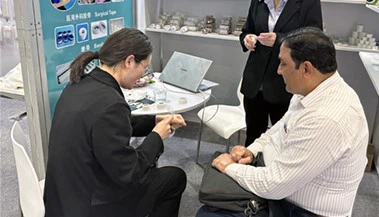
Our Exhibitions


Hot Tags: medical hypoallergenic tape, China medical hypoallergenic tape manufacturers, suppliers, factory, Medical Surgical Tape, Hypoallergenic Surgical Tape, Transparent Medical Tape, Micropore Tape 2 Inch, Medical Hypoallergenic Tape, Waterproof Surgical Tape
You Might Also Like


Send Inquiry