


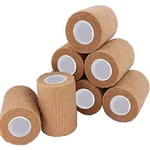

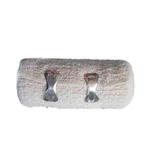

Micropore Medical Tape
• Bulky dressings require high conformability and may require greater adhesion.
|
Skin Type Dry Damp Diaphoretic Wet: secretions, leaking tubes Weeping Macerated Oily Hairy Edematous Intact vs. impaired skin integrity Elastic vs. non-elastic Fragile skin (elderly, very young) "At-risk" (e.g., patient on systemic corticosteroids, chemotherapy; malnourished) Flexing |
Dressing Material Weight Conformability Device Contour Weight Material: metal, plastic, other Tubing Diameter: small, large Texture: smooth, ribbed, other Material: PVC, silicone, other Weight Length Potential for drag or pull Other support (e.g., sutures, tunneling) |
- Heavy tubings require higher adhesion.
- Bulky dressings require high conformability and may require greater adhesion.
Individual results may vary.
Whenever adhesive tapes are used in a medical situation there is a risk of skin damage. This is especially true when medical adhesive tape needs to be used on a patient's face. The skin of the face can be more sensitive than other areas, and it's important for medical professionals to use skin-sensitive tapes whenever possible.
Medical tape, just like all types of tape, features adhesive chemicals that help the tape stay attached to a surface. This adhesive can be made of a variety of chemicals. If a patient has an allergy to any of a tape's ingredients, skin irritation can become an issue. Sometimes the skin may react almost instantly to exposure to the chemicals while other times the skin will react hours or days later.
Another issue that could lead to skin irritation brought on by medical tape is the process of removal. Any tape, regardless of levels of adhesive, needs to be removed slowly. If the tape is removed quickly, skin irritation is almost guaranteed. While powerful adhesives help to keep medical tape safely in place, a balance must be struck between a secure hold and easy removal.
The medical industry has a wide variety of tapes available for a range of purposes, and it will continue to be important for healthcare providers to use the best tape for specific situations. Case studies like the one above show that skin irritation can be a problem, and patients without a history of skin issues can also face skin damage when the wrong tape is used.
Different adhesive ingredients can be a big part of the solution. Identifying chemicals that irritate the skin and eliminating them from the adhesive could make a major difference for the patient. Allergies to certain ingredients can also be identified and proper tapes can be used to accommodate the situation.

Manufacturing Process

About us


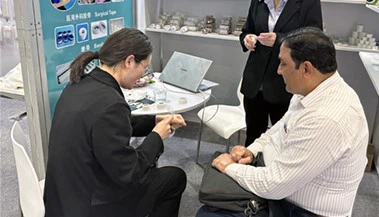
Our Exhibitions


Hot Tags: micropore medical tape, China micropore medical tape manufacturers, suppliers, factory, Surgical Tape for Wounds, Paper Medical Surgical Tape, 3m Alike Medical Transpore Tape, Hypoallergenic Surgical Tape, 3m Alike Transpore Tape 1 Inch, Micropore Medical Tape
Previous
Hypoallergenic Surgical TapeYou Might Also Like


Send Inquiry